
Sampling of Metal Powder: Why 3D Printing Poses Special Requirements
Anyone who works with metal powders for additive manufacturing knows the value of the material: titanium, aluminum, nickel, or cobalt-chrome powders quickly cost several hundred euros per kilogram and are sensitive to oxygen and moisture.
Nevertheless, sampling is still done classically in many places: open the container, take out the powder, transfer it, label it. What looks like routine is anything but uncritical with these materials.
Because even the smallest mistake here determines print quality, process safety, and expensive material loss. The question is therefore not whether sampling is done, but how controlled and reproducible it can be achieved.
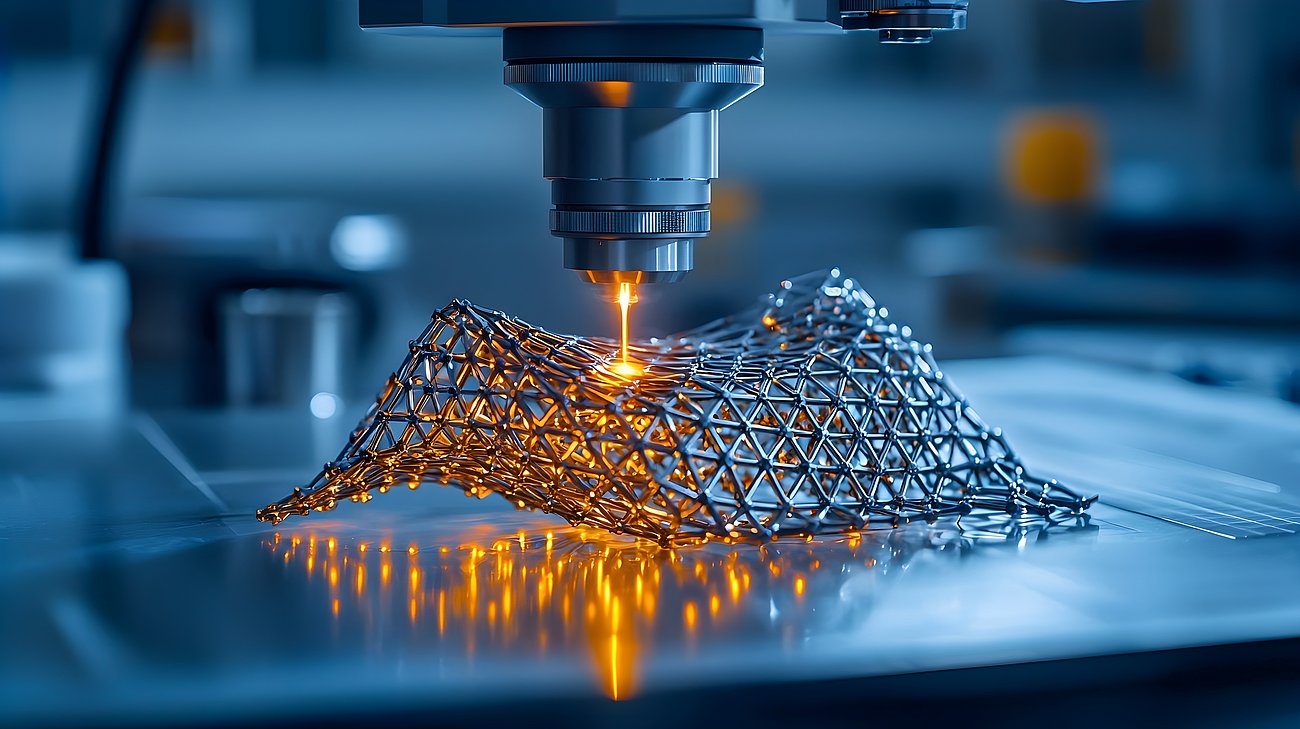
3D printing
Why metal powder poses special requirements
The requirements for sampling are significantly higher for metal powders used in 3D printing than in many other industries.
This is mainly due to three reasons: The powders are expensive, many of them are reactive, such as titanium or aluminum, and even the smallest impurities can affect the print quality. If the material comes into contact with air or moisture during sampling, the batch may be unusable in the worst case.
At the same time, many of these powders are explosive. What seems like a simple material extraction becomes a process with high demands on purity, safety, and documentation.
The sampling systems from REMBE® Kersting are precisely designed for these requirements: They take into account inert gas guidance, purity, explosion protection, and traceability from the ground up and offer a comprehensive solution for this.
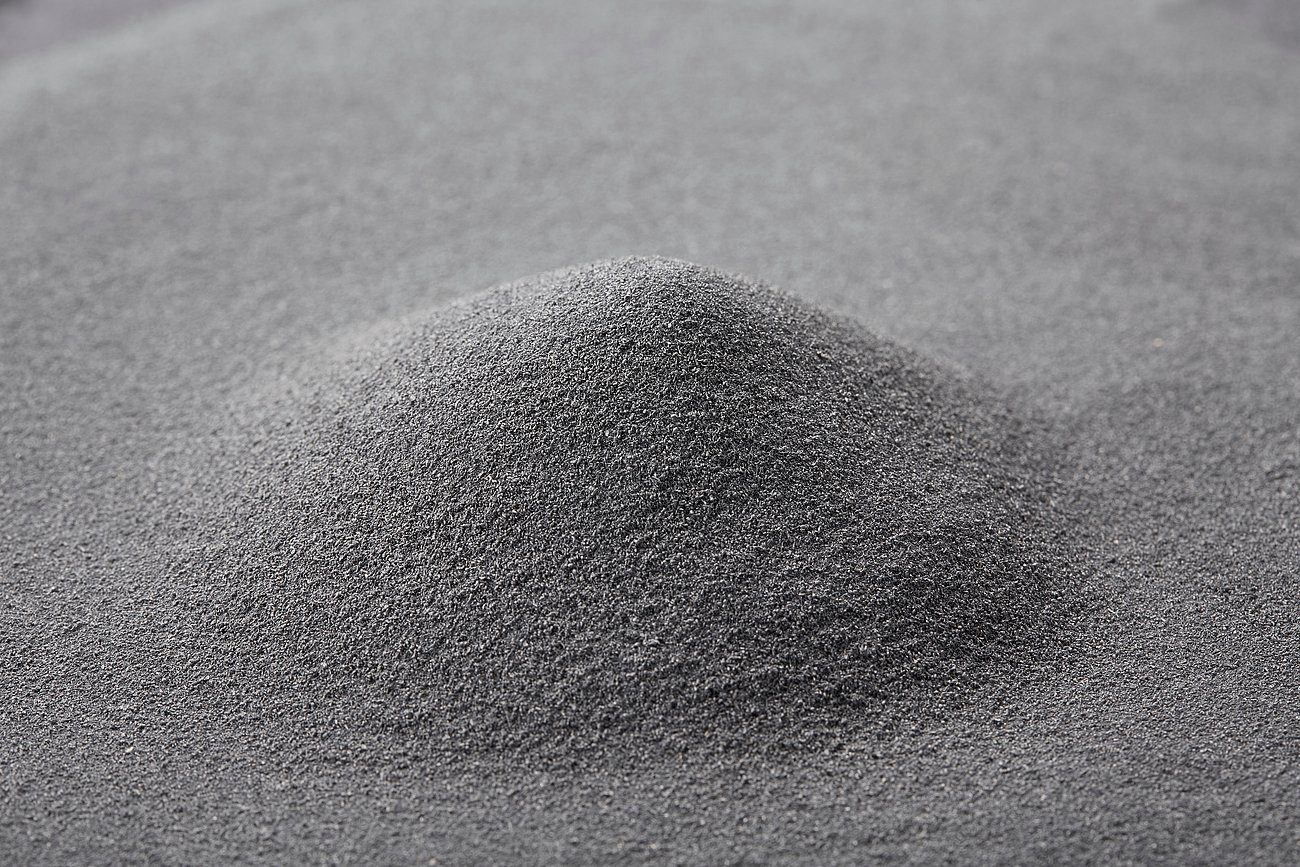
Metal powder
Inert gas, purity, and explosion protection: the critical points.
In order for a sample to remain meaningful and the process to be safe, several conditions must be met simultaneously:
- Inert gas atmosphere: The sampling should be gas-tight under argon or nitrogen, without the introduction of oxygen or moisture.
- Pure materials: Stainless steel 316L or higher quality, no dead spaces, no lubricants, and no abrasion in the product area.
- Explosion protection: Grounding of all conductive components, avoidance of electrostatic charging and mechanical sparks, ATEX-compliant design.
- Representative sample: Sampling from the material flow instead of just from the surface, to correctly depict particle size segregation.
Each of these points is demanding on its own, and in combination, they are hardly reliably maintained manually.
Closed, automated inline sampling as a response
This is where closed, automated inline sampling systems from REMBE® Kersting come into play: They take the sample directly from the material flow, completely closed and under protective gas.
The powder is transported to the sample container via a closed vacuum conveyor, without the need to open the system or interrupt the production process. Oxygen uptake remains minimal, and emptying is complete and without product carryover.
In parallel, relevant data such as time, batch, and process parameters are automatically digitally documented.
Upon request, the systems are individually designed according to customer requirements, tailored to the material, process, and structural conditions on site.
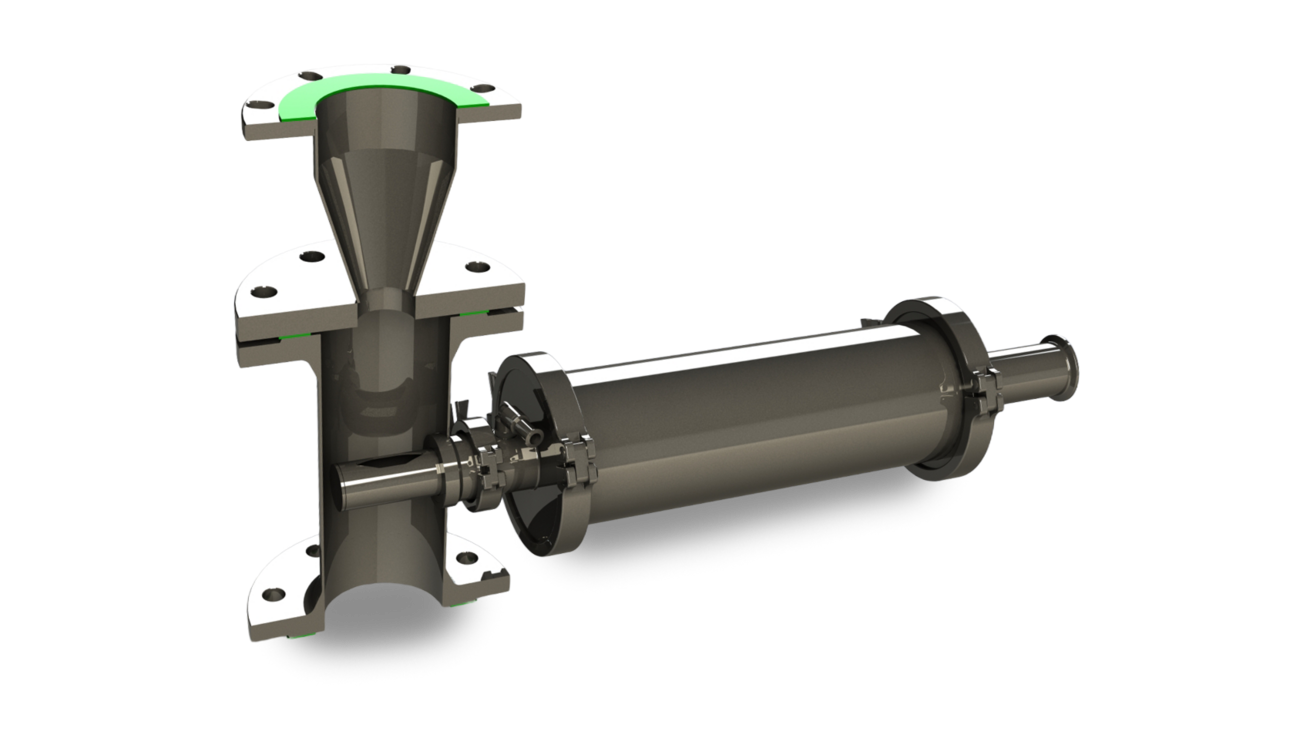
Inline sampling systems from REMBE® Kersting
What changes in everyday life as a result.
The difference is mainly evident in reproducibility and safety.
Samples are taken consistently and under defined conditions, regardless of who is currently working at the facility. The risk of contamination decreases because the material does not leave the closed environment. And personal contact with high-value or health-hazardous powders is significantly reduced.
At the same time, material loss decreases; a noticeable effect with powders that have a very high price per kilogram.
When the use is particularly worthwhile
The added value is particularly evident with powders for Laser Powder Bed Fusion (LPBF) such as titanium, aluminum, nickel, or cobalt-chromium alloys.
These materials must be closely monitored in terms of particle size distribution, flowability, oxygen content, and chemical composition. The higher the material value and the stricter the purity and traceability requirements, e.g., in aerospace or medical technology, the more a closed, automated sampling pays off.
Conclusion: Quality begins with the sample
For metal powders in additive manufacturing, sampling is not a sideshow but a central component of quality assurance.
A closed, automated solution makes this step not only safer but also more reproducible and economical, while simultaneously protecting material, people, and process.
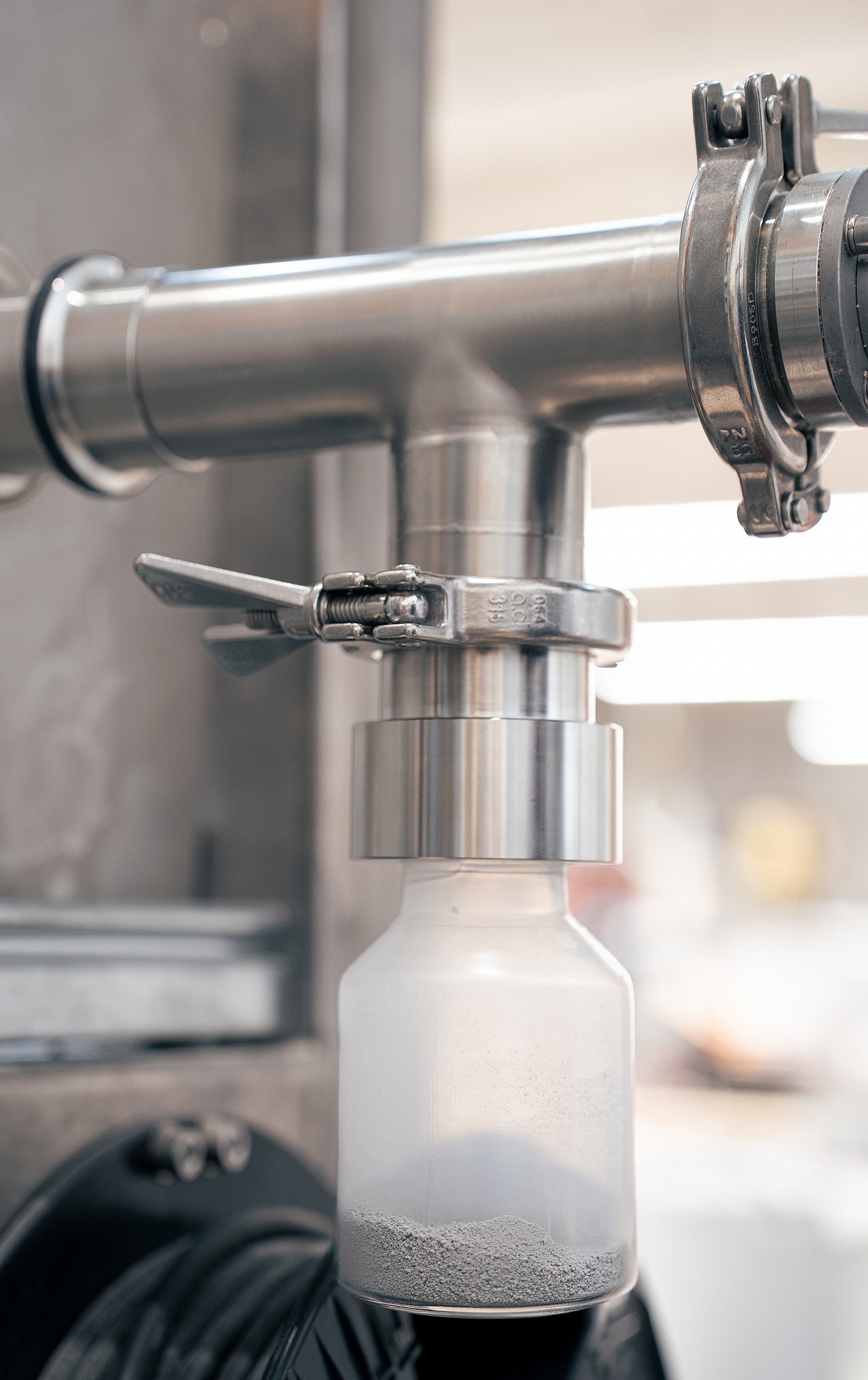
How is metal powder sampled in your process today?
Especially where work is still done manually and in contact with air, it is worth taking a closer look.