
Inhomogeneous
The term "inhomogeneous" is used in the sampling of bulk materials to describe materials that exhibit an uneven distribution of their constituents. This means that different parts of the material can have varying properties, such as particle size, chemical composition, moisture content, or other relevant parameters.
Inhomogeneity can pose a significant challenge in the sampling of bulk materials as it makes obtaining representative samples difficult. A representative sample is one that accurately reflects the average properties of the entire material. When the material is inhomogeneous, samples taken from different parts of the material can yield highly disparate results.
To address this issue, specialized sampling techniques and strategies are often employed that aim to account for and overcome the material's inhomogeneity. This might involve taking multiple samples from different parts of the material and subsequently combining them into a composite sample. Additionally, statistical methods for planning and evaluating sampling can be used to mitigate the effects of inhomogeneity and achieve reliable results.
Interesting REMBE® Kersting solutions on this topic
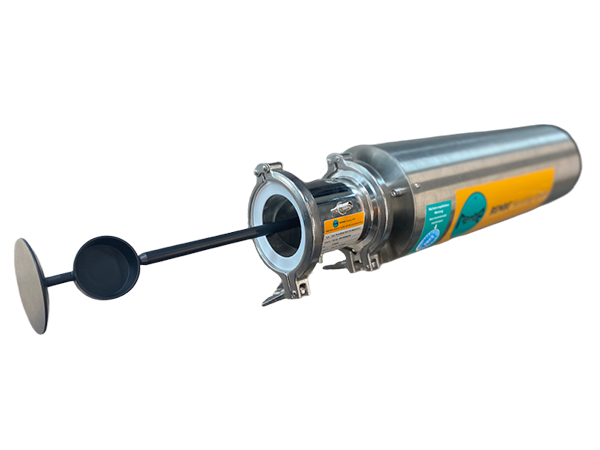
Cup sampler SAMglide
Cup samplers are specifically designed for sampling free-falling materials and offer a range of advantages.
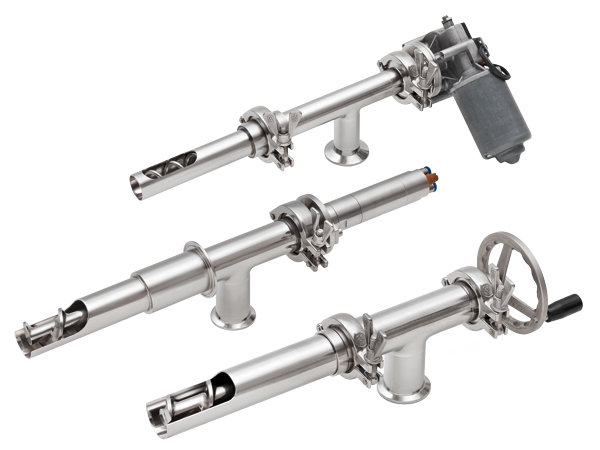
Screw sampler SAMscrew for Downspouts
The proven screw sampler from REMBE® Kersting provides a solution for the continuous sampling of any quantity.
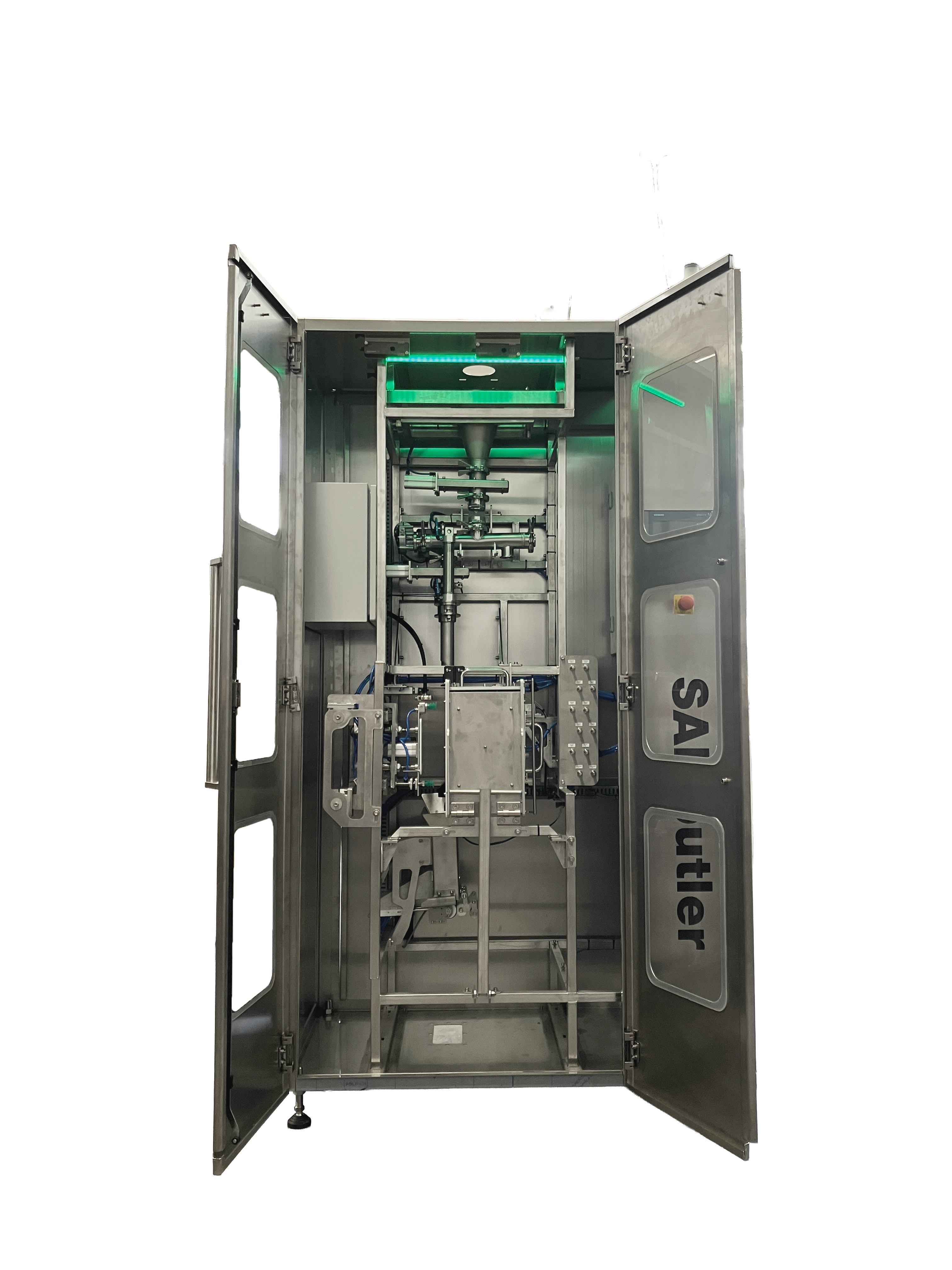
Automatic Sampling System SAMbutler
The secure process management for the entire sampling is ensured through connections with contamination-free conveyor systems and analysis options.