
Automatic sampling of bulk materials
Avoid errors and reliably ensure quality
A faulty sample can quickly become expensive – for example, if material moisture or quality is incorrectly assessed. Sampling of many bulk materials is still not representative.
Particularly affected are:
- Recycling (glass, PET)
- Biomass (wood chips)
- Disposal and raw material trade
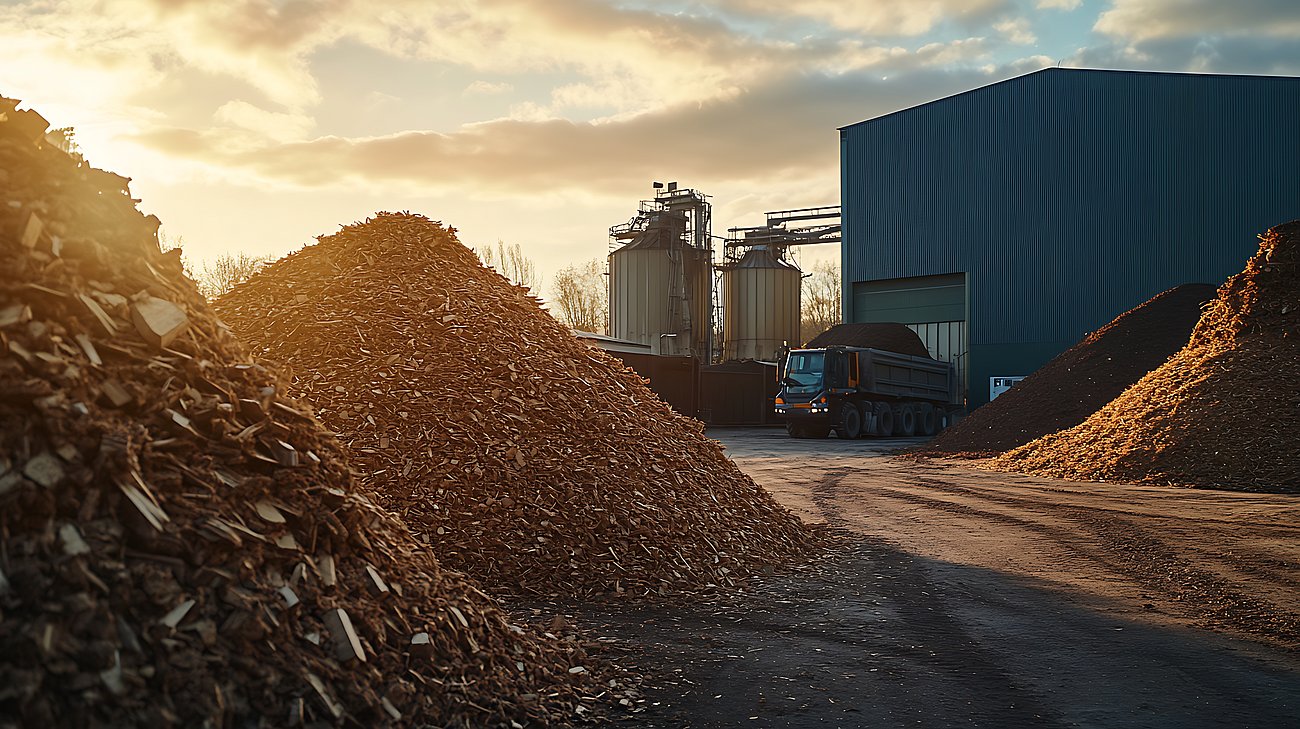
[Translate to English:] Automatic Sampling Bulk Material: Truck, Wood Chips, PET & Glass Explained
Typical Errors in Sampling
Too Few Sample Points
In practice, often only a single sample is taken – often exclusively from the surface. The problem: Bulk materials are inhomogeneous. Within a truckload, moisture, particle size, and impurities vary significantly.
Result: The sample is not representative – and thus provides unreliable results.
Manual Sampling as a Risk
When employees climb onto loaded trucks, it not only costs time but is also really dangerous. Falls happen quickly in everyday work.
Lack of Consideration for Obstacles
Tension belts, struts, or structures in the cargo area can make sampling difficult or lead to erroneous results – especially with non-automated systems.
Underestimated Weather and Environment
Rain, frost, or heat significantly affect the reliability of sampling. Systems that are not weatherproof are more prone to errors or may even fail completely.
Lack of Documentation and Standard Basis
Without clear assignment and logging, the sample loses its significance. Deviating from standards like DIN EN ISO 24333 can also lead to problems with billing and quality assurance.
How reliable sampling works
The goal of every sampling is to capture the complete cross-section of the load. Only then can a realistic picture of the material quality be obtained.
Modern systems rely on automated processes for this:
- Multi-point sampling across the entire truck
- clearly defined, reproducible punctures
- safe handling without manual intervention
The decisive advantage: Sampling is done systematically rather than randomly.
What really matters in practice
1 Ensure representativeness
A reliable assessment is only possible if the sample reflects the entire load. Multi-point sampling is therefore not a nice-to-have but indispensable.
2 Align technology with the material
Different bulk materials require individual solutions:
| Material | Challenge | Solution |
Wood chips | large, light particles | coarse screw |
PET flakes | light, flat parts | adjusted geometry |
Glass shards | abrasive, heavy | robust design |
3 Consistently consider safety
Automated systems minimize risks for employees because the entire process runs without anyone having to enter a truck.
4 Fully automate processes
The fewer manual steps required, the lower the error susceptibility – especially in sample handling and documentation.
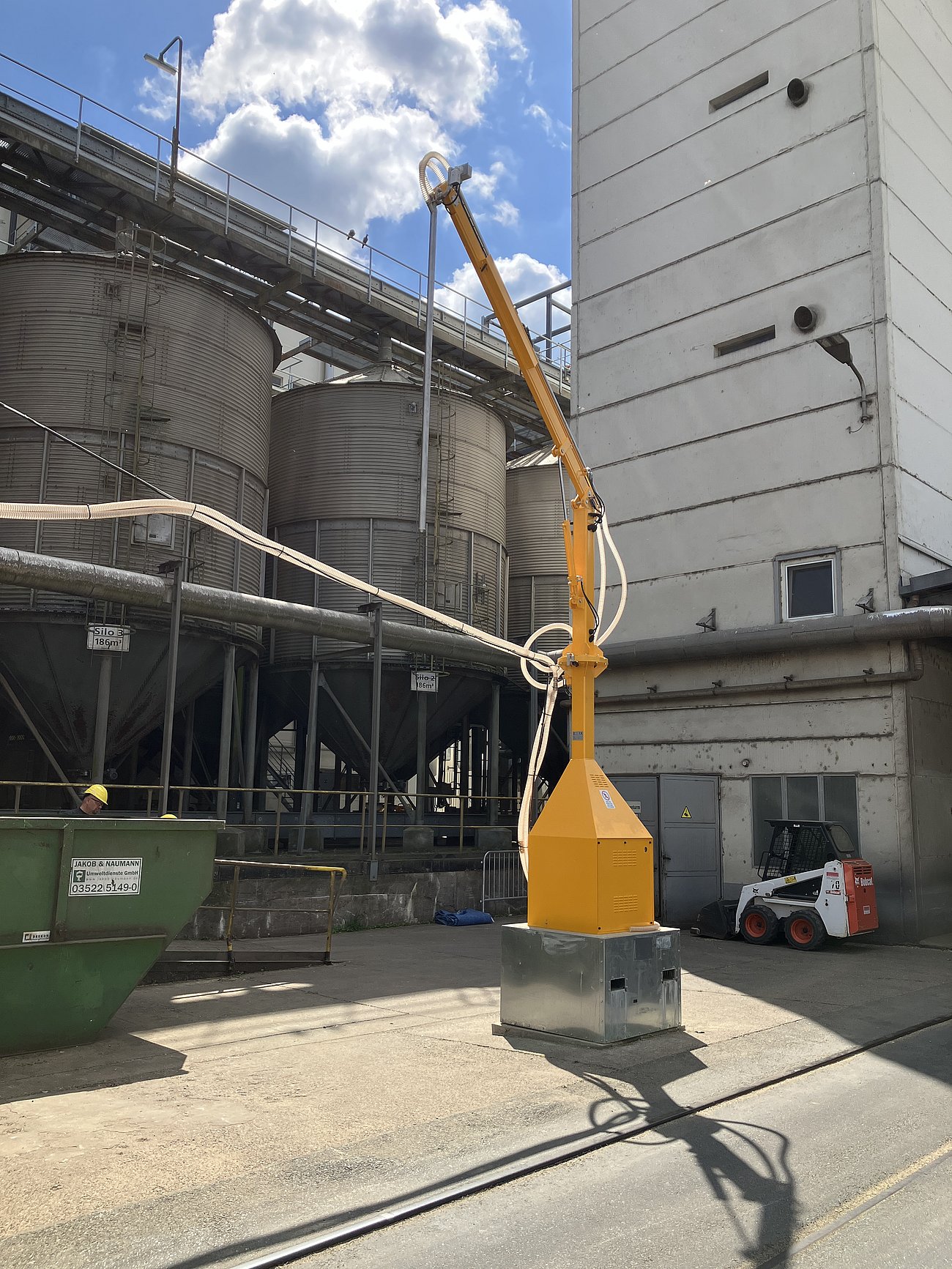
The aim of every sampling is to capture the complete cross-section of the load.
Sampling determines the result – and costs.
Whether it's evaluation, billing, or quality assurance – sampling is the decisive factor for the entire process. Errors at this point quickly lead to wrong decisions and financial losses. Automated systems offer clear advantages here: They provide reproducible results, increase safety, and make processes traceable.
The crucial question is not whether optimization should occur, but how great the potential for improvements is. In many facilities, significant improvements can be achieved with manageable effort – from sample quality to process safety.
If you want to know where you currently stand and which solution is sensible for your application, a targeted analysis is worthwhile. A brief evaluation quickly shows whether your sampling is truly representative – or if you are still missing potential today.
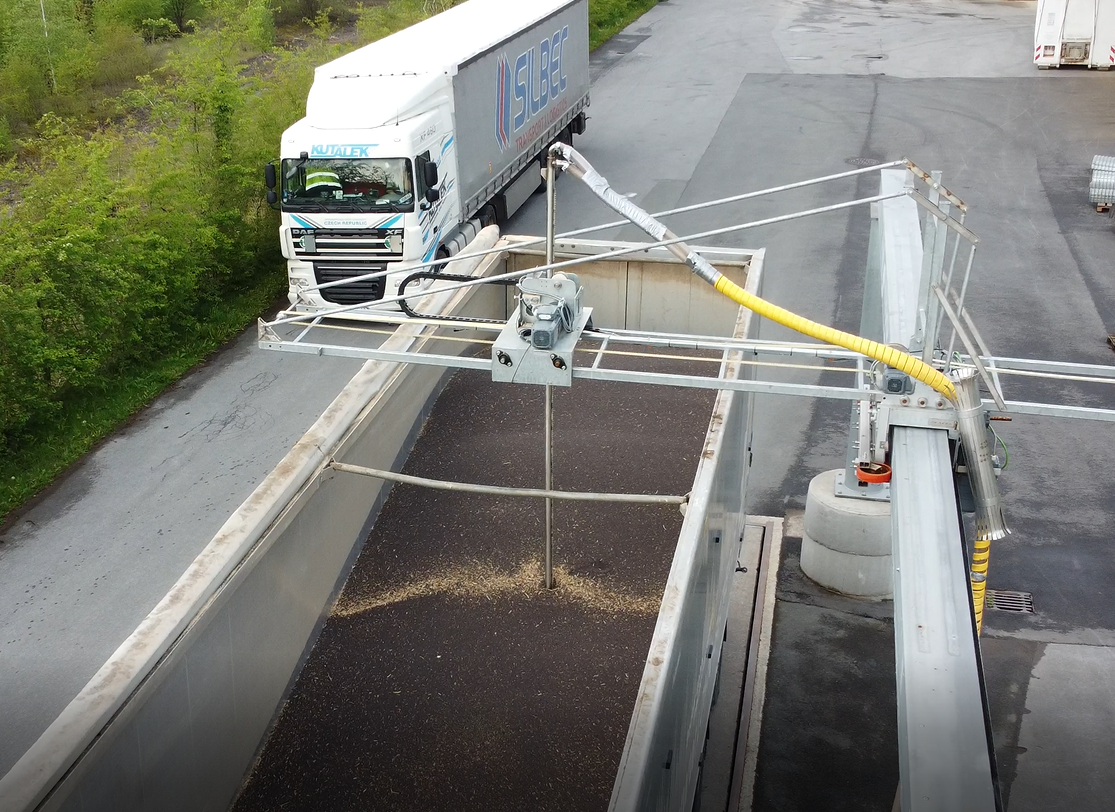
Sampling determines the result – and costs.