
EN ISO 6497
The EN ISO 6497 standard (adopted in Germany as DIN EN ISO 6497 – Animal feeding stuffs – Sampling) is the internationally harmonized standard for the sampling of animal feed. It specifies standardized technical procedures for obtaining representative samples from lots of goods, enabling analyses that accurately reflect the physical and chemical properties of the entire lot.
Scope:
- Applies to: loose, pelleted, granular, powdered and packaged animal feed, including fish feed.
- Does not apply to: pet food or sampling for microbiological examinations.
Purpose of sampling under this standard:
- Commercial quality control (incoming goods inspection, supplier assessment),
- Technical investigations (process monitoring, product development),
- Legal purposes (official inspections, evidence of conformity).
In manufacturing and process industries, EN ISO 6497 is a specialized standard for sampling bulk solids and animal feed. It supplements general quality management and GMP requirements (ISO 9001, ISO 22000, GMP+) with specific, product-related sampling rules.
Key Terms and Concepts
The standard establishes precise sampling terminology:
- Consignment: A specified quantity of animal feed offered, dispatched or received at a particular time.
- Lot: An identified portion of a consignment assumed to have homogeneous characteristics (e.g. the same production batch or supplier).
- Population: All units from which samples are taken; this may differ from the logistical lot (e.g. inventory covering several deliveries).
- Individual sample / increment: A quantity of material collected at a single point in a lot at a particular time.
- Aggregate sample (bulk sample): The overall sample obtained by combining and mixing all increments from one lot.
- Gross sample: A collection of individual increments intended to be examined separately (e.g. where heterogeneity is suspected).
- Laboratory sample: A sample obtained by reducing the aggregate sample and prepared for analysis.
Guiding principle: “An analysis is only as good as the sampling on which it is based.” A small fraction of the lot must be collected so that measurement of a characteristic (nutrient content, contaminant) reflects the average value for the entire lot.
Technical Features and Procedural Requirements
Representativeness through Incremental Sampling
A sample must not be collected from just one location. Instead, several individual samples are collected at different points in the lot and combined into an aggregate sample. The number and distribution of increments depend on lot size and physical properties (as specified in the tables in the standard).
Sampling Methods
- From loose bulk material: Silos, hoppers, stockpiles, trucks and railway wagons – at defined positions and depths.
- From packaged products: A minimum number of randomly selected packages based on lot size and package weight; several increments are taken per package.
- From material flows: Automatic or manual sampling at defined time intervals.
Equipment Specifications
Depending on the physical form of the material (pellets, meal, coarse grains or liquids), the standard specifies suitable sampling equipment – for example, tube probes, zone samplers, sample dividers or automatic sampling systems installed in conveying lines.
Handling Heterogeneity
For substances that may be unevenly distributed (e.g. medicines, additives, mycotoxins and trace elements), an annex describes specific methods for minimizing systematic errors (bias).
Sample Reduction and Preparation
The standard governs procedures for dividing and reducing the aggregate sample (e.g. using sample dividers or quartering methods) and also addresses:
- Minimum mass or volume of aggregate and laboratory samples,
- Division into analytical, retained and, where applicable, reference samples,
- Homogenization by mixing and, where necessary, size reduction.
Personnel and Documentation
- Sampling by trained and experienced personnel with knowledge of cross-contamination, homogeneity and statistical representativeness.
- A complete sampling record documenting location, date and time, method, equipment used, lot details and any unusual circumstances.
Integration into Quality and Manufacturing Management
EN ISO 6497 is an integral part of operations compliant with GMP and quality management requirements:
- It provides specific sampling requirements that support general quality management standards (ISO 9001, ISO 22000).
- It is a prerequisite for analytical standards (e.g. DIN EN ISO 14902 for trypsin inhibitor activity in soybean products) that rely on samples obtained in accordance with standards.
- It supports in-process checks, raw material inspections and finished-product testing in EU GMP-related contexts.
Practical Applications in Manufacturing
Incoming Goods Inspection
Verification of delivered raw materials (grain, soybeans, minerals and additives) against specifications and certificates; preparation of representative aggregate samples for each lot as the basis for batch release and supplier assessment. This also provides legal safeguards in the event of quality deviations.
In-Process Control and Process Optimization
Sampling downstream of the mixer to verify mixing accuracy, which is essential for the homogeneous distribution of vitamins, enzymes and medicines. This forms the basis for statistical process control (SPC) and process capability analyses (Cp, Cpk).
Finished-Product Testing and Verification of Label Claims
Testing of nutritional values (protein, fat, crude fibre), particle sizes and regulatory limits (contaminants, veterinary drug residues). Verification that the label declaration corresponds to the actual batch (feed regulations).
Traceability and Retained Samples
Retained samples collected in accordance with EN ISO 6497 serve as technical references for subsequent analyses in the event of complaints, suspected contamination or official investigations.
Legal and Official Sampling
A reference standard for official inspections at production facilities, warehouses and during transport, as well as for evidence-grade sampling in disputes between suppliers and customers.
International Supply Chains and Certification
Because EN ISO 6497 is based on ISO 6497 and has been adopted nationally (DIN, UNE, BS), it helps ensure:
- Harmonized sampling procedures across international supply chains,
- Comparability of analytical results between laboratories and countries,
- Compliance with the requirements of certification schemes such as GMP+, QS (Quality and Safety), ISO 9001 and FAMI-QS.
Significance for Technical Professionals
For engineers, quality managers, laboratory managers and production managers in the feed industry, EN ISO 6497 provides:
- A binding framework for designing sampling plans (number of increments, sampling locations and sample masses).
- Reduced systematic sampling errors and increased reliability of analytical results.
- Support during audits through reference to an internationally established standard.
- A basis for integrating sampling procedures into SOPs, work instructions and electronic quality management systems.
Key Characteristics at a Glance
| Characteristic | Description |
| Type of standard | International standard ISO 6497, adopted in Europe as EN ISO 6497 and nationally, e.g. as DIN EN ISO 6497 |
| Subject | Sampling of animal feed (including fish feed; excluding pet food and microbiological examinations) |
| Objective | Representative samples for commercial, technical and legal quality control |
| Core concepts | Consignment, lot, increment, aggregate sample, gross sample, laboratory sample |
| Requirements | Trained personnel, defined number and distribution of increments, minimum sample masses, homogenization and documentation |
| Practical relevance | Incoming goods, in-process control, finished-product testing, retained samples, official samples and supply chains |
Interesting REMBE® Kersting solutions on this topic
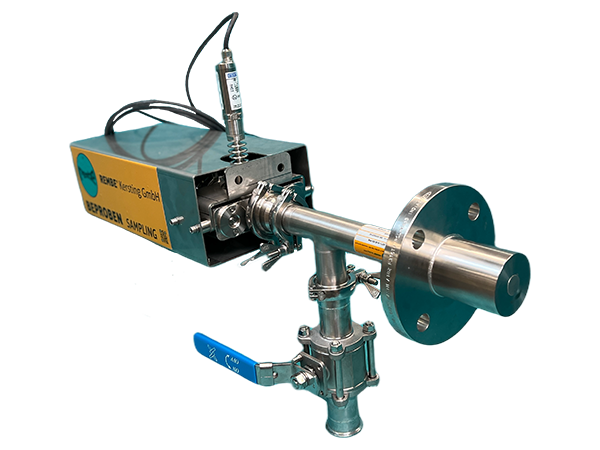
Sampling from mixers SAMscrewtasty
An innovative device to take material directly from the container wall.
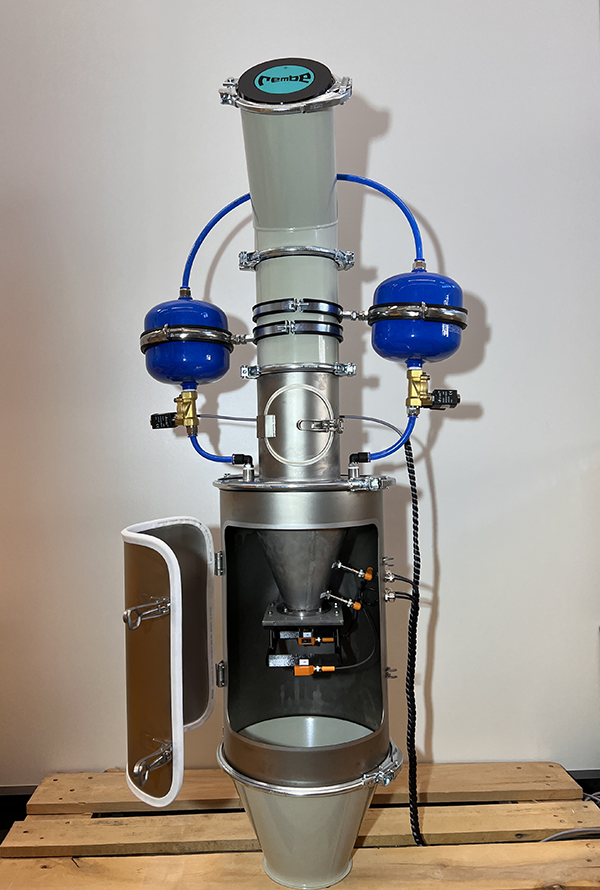
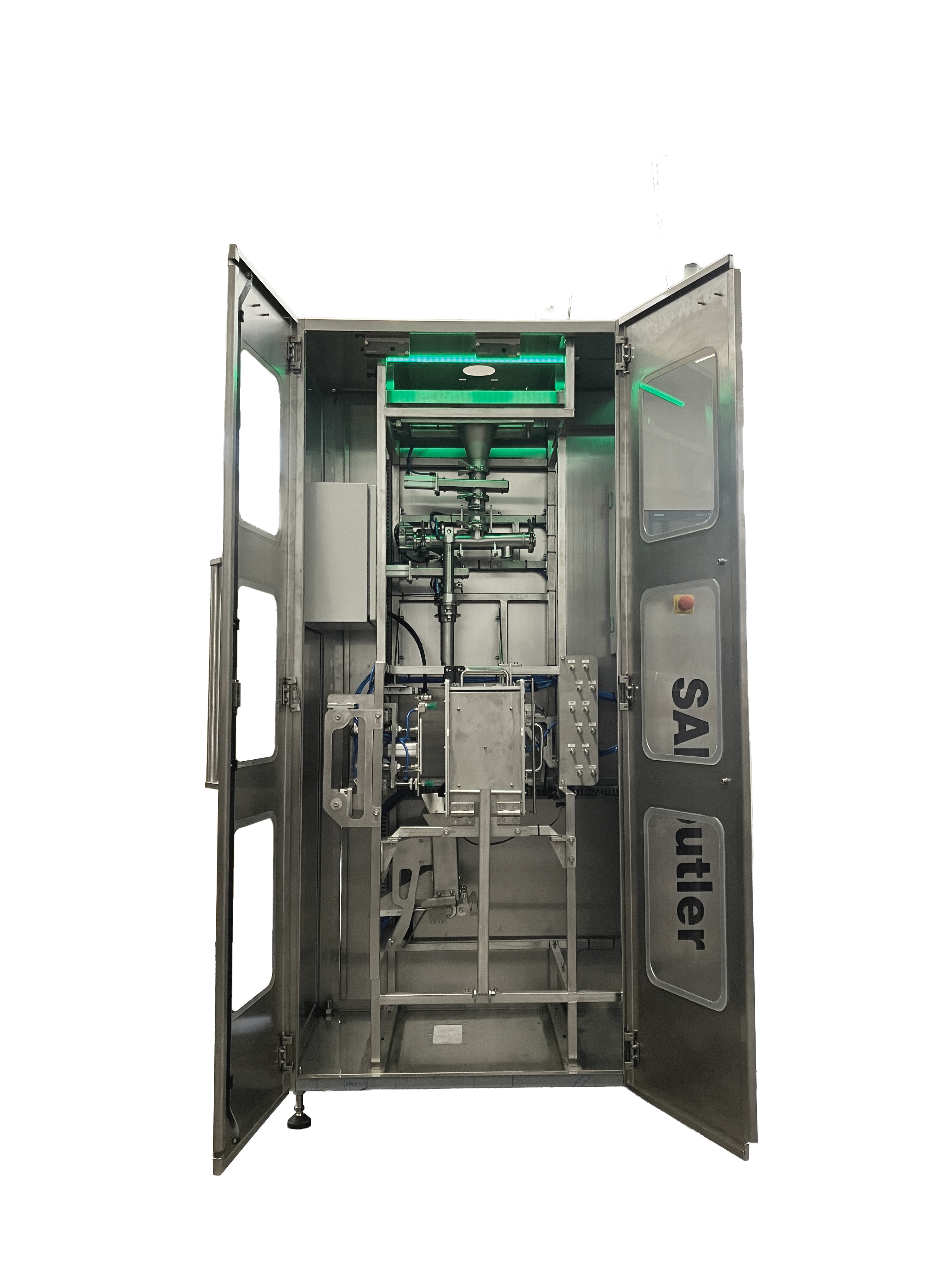
Automatic Sampling System SAMbutler
The secure process management for the entire sampling is ensured through connections with contamination-free conveyor systems and analysis options.