
Material sample
Bulk sampling refers to the process of taking a representative sample of a loose material such as sand, ore, coal, grain or other bulk materials. The sample must be obtained in such a way that it reflects the properties of the entire bulk material as accurately as possible.
Here are some aspects that are typically considered when sampling bulk materials:
- Representativeness: The sample should be representative of the entire lot. This requires careful planning and execution to avoid bias.
- Sampling techniques: There are several techniques for sampling bulk materials, including manual techniques and mechanized and automated systems. The choice of method depends on the specific requirements, such as .dem type of material and the purpose of the analysis.
- Sample preparation: Once collected, the sample may need to be prepared in a manner that is appropriate for the intended analysis. This may include sieving, grinding, or other methods of size reduction.
- Quality Control: To ensure that the sample is representative, quality control measures must be carried out throughout the process.
- Legal and regulatory requirements: Some industries and jurisdictions may have specific laws and regulations governing bulk sampling.
Bulk sampling plays an important role in many industries, such as mining, agriculture, food and construction. It enables quality control, regulatory compliance, research and product development.
Interesting REMBE® Kersting solutions on this topic
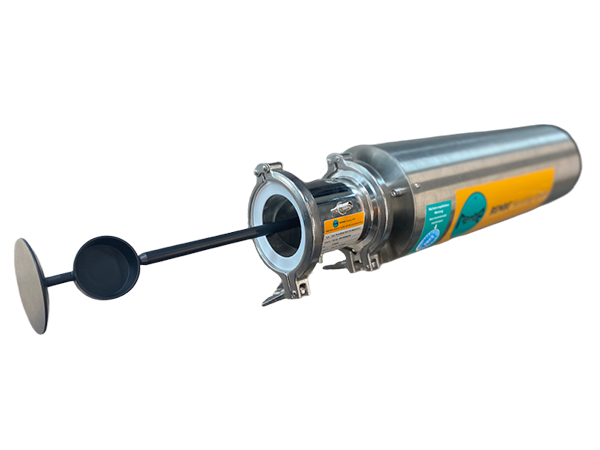
Cup sampler SAMglide
Cup samplers are specifically designed for sampling free-falling materials and offer a range of advantages.
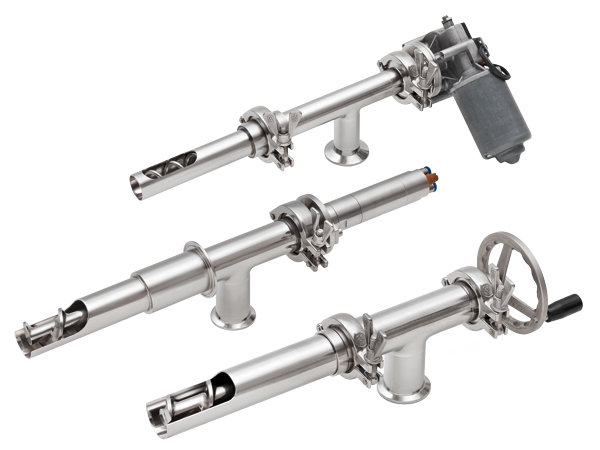
Screw sampler SAMscrew for Downspouts
The proven screw sampler from REMBE® Kersting provides a solution for the continuous sampling of any quantity.
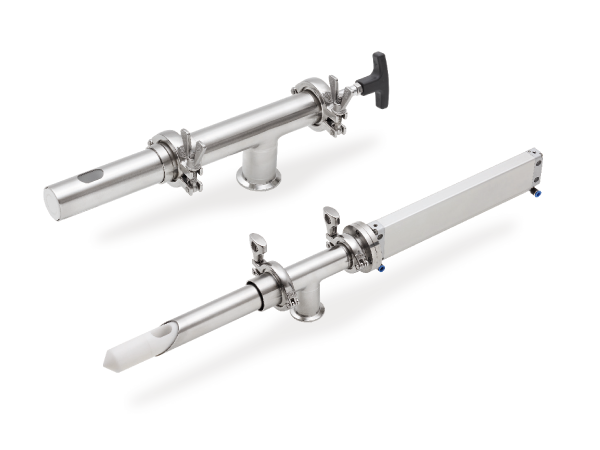
Plug sampler SAMplug
Plug samplers suitable for use with granules and powder, scoring points with easy cleaning and assembly.