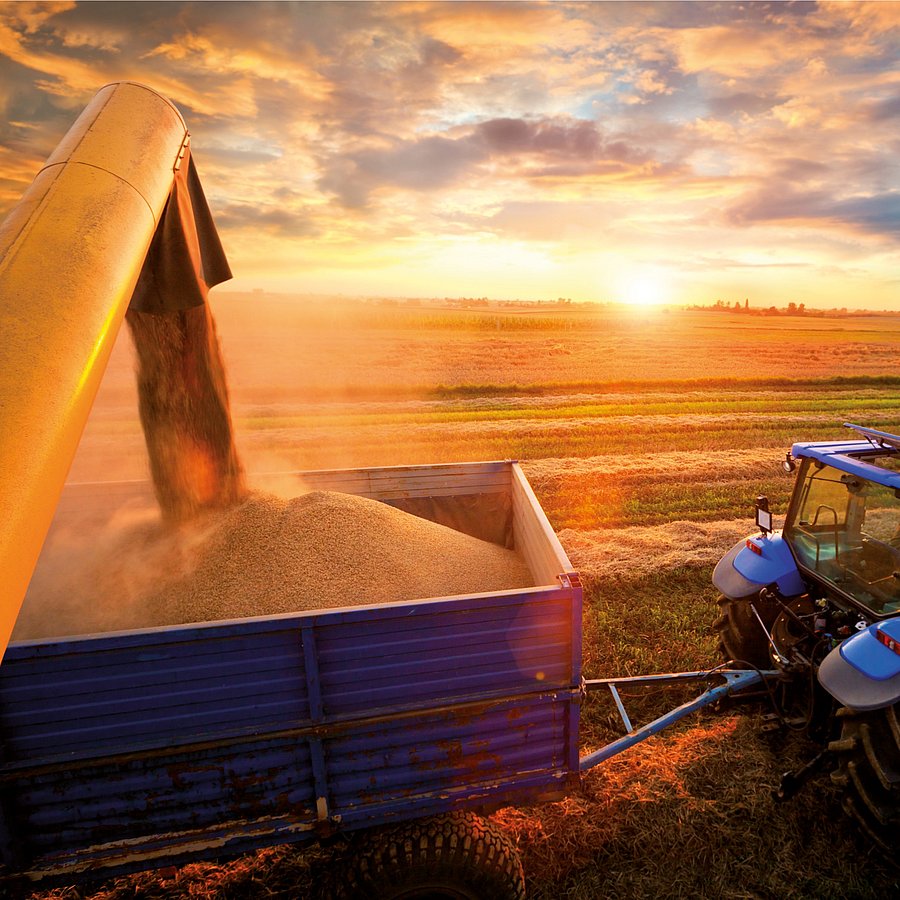
Representative sampling in agriculture
When a truck enters the yard, quality is not determined in the laboratory, but at the sampling point: the sample is the only connection between a delivery and its evaluation. Grain, feed and seed are anything but uniform: grain sizes, moisture, and admixtures are distributed unevenly across a batch, and they shift further during handling. A sample taken from one spot does not represent the delivery. What is needed is a composite sample across the cross-section of the flow, free from cross-contamination between successive batches and clearly assignable. This overview shows what matters in sampling in agriculture—from normative requirements and sampling points in the process to selection criteria.
Normative Framework
There are specific standards for the sampling of cereals and feed, which describe the sampling strategy and sample preparation: EN ISO 24333 for cereals and cereal products, EN ISO 6497 for feed. Both aim at the same principle – the sample must capture the flow across its cross-section and be combined from several individual samples into a composite sample. The operator determines how often and in what quantity samples are taken as part of their quality system; the technology must be able to implement these specifications reproducibly.
Selection criteria
Whether sampling on the agricultural farm provides reliable results depends on these criteria:
-
Cross-Sectional Sampling
The sample must represent the entire cross-section of the material flow, not just the edges or surface.
-
Gentle Product Handling
When sampling seeds, the process must not crush or break the grains, as this would distort germination rates and the proportion of broken seeds.
-
Batch Separation
Material carryover between successive deliveries must be prevented, especially when handling products requiring varietal purity.
-
Suitability for Moist and Poorly Flowing Materials
Sticky, cohesive materials require different sampling methods than free-flowing grain.
-
Documented Sample Assignment
Every sample must be clearly traceable to a specific delivery, silo or batch – essential for traceability and billing.
-
Integration into Existing Systems
Goods receiving stations, silos, screw conveyors and pipelines are already in place. The ability to retrofit sampling systems is crucial for practical implementation.
Solution approaches
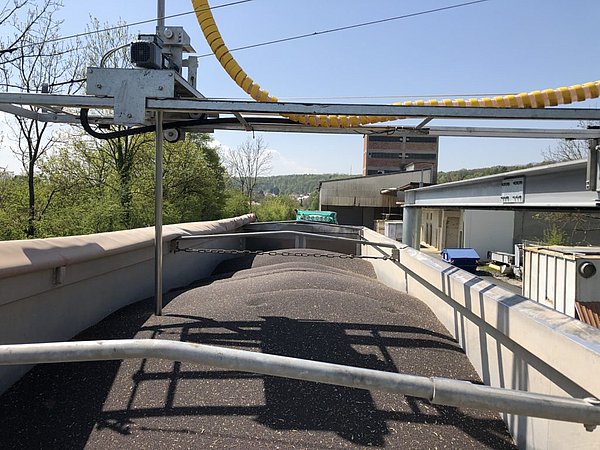
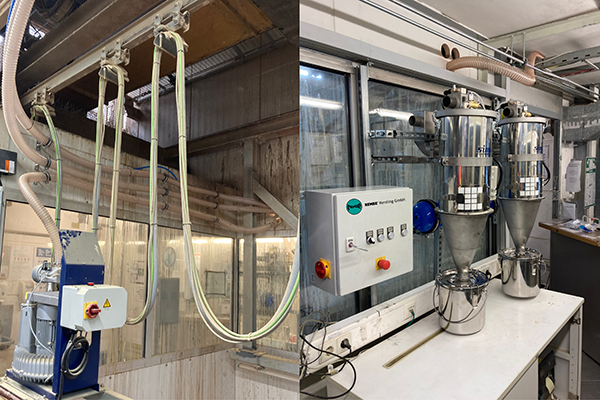
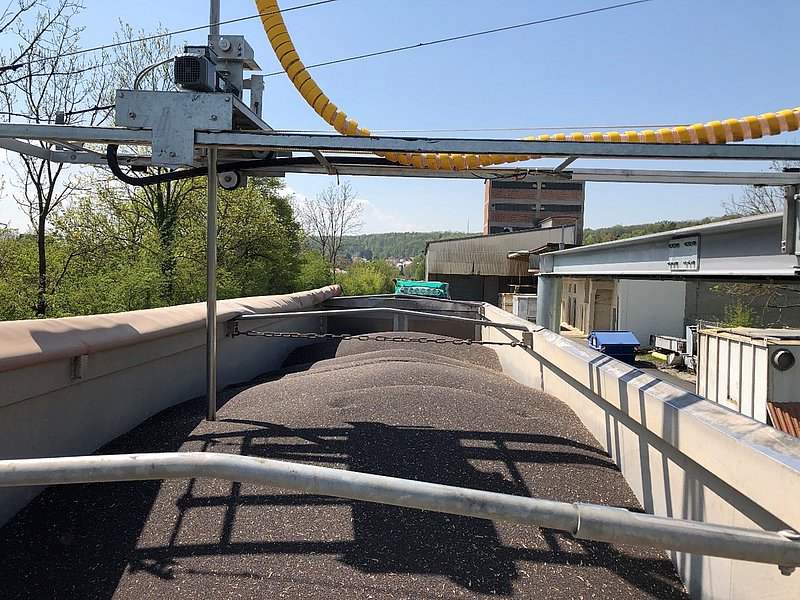
The methods range from handheld probes at the receiving station and sampling lances on the vehicle to automated samplers in the conveyor path. Manual sampling is flexible and possible without investment, but it depends on location and personnel and is hardly representative for deep loads. Vehicle-mounted lances cover several depths and are established at the receiving point. Samplers integrated into the conveyor path take samples independently of the operator and can be synchronized with the plant control system – the path to documented, repeatable sampling. On the quantity side, mass flow measurement in the conveyor path and gravimetric inventory measurement at the silo complete the picture. Which approach fits depends on the sampling point, material, and the required degree of automation.
The approach of REMBE® Kersting
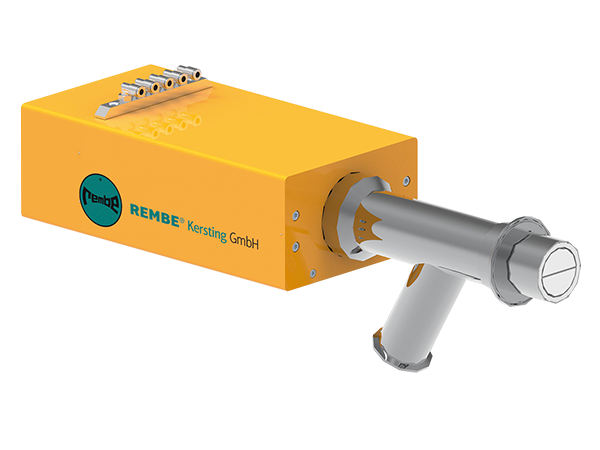
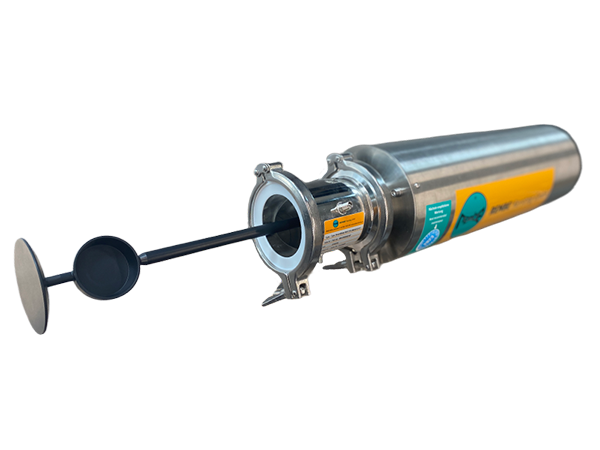
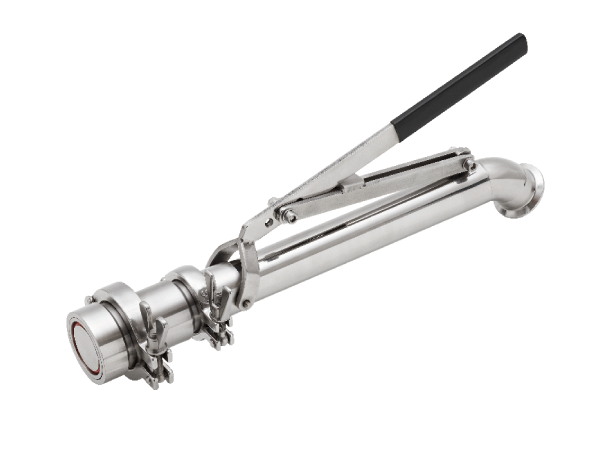
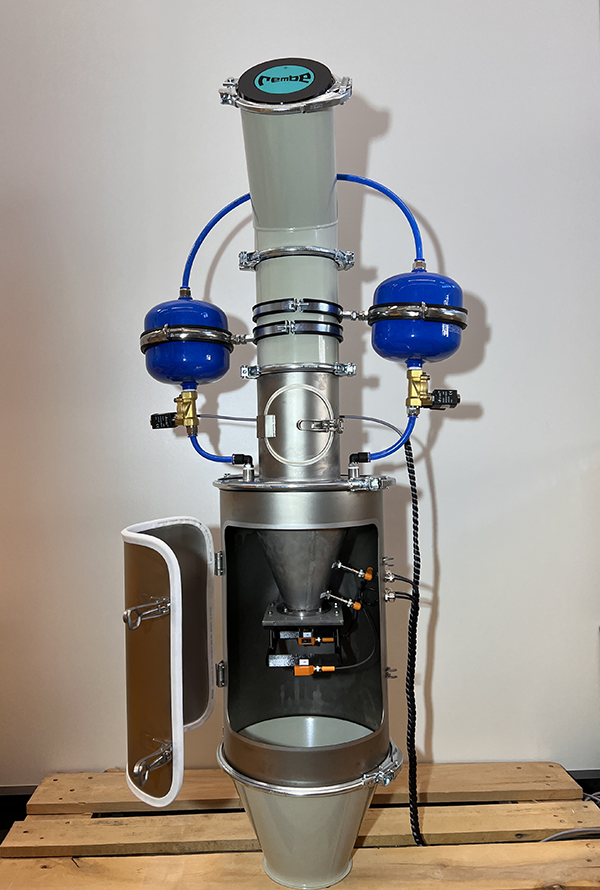
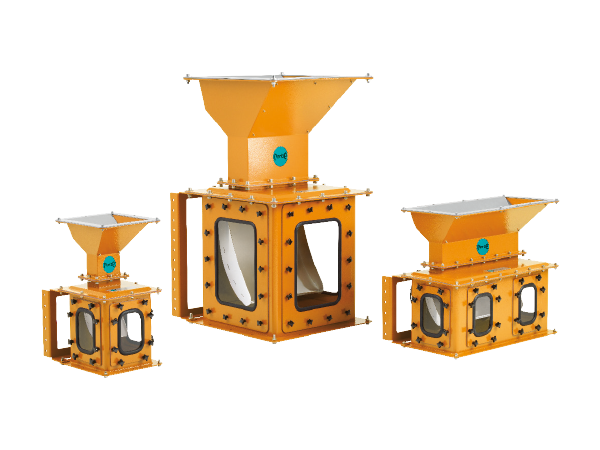
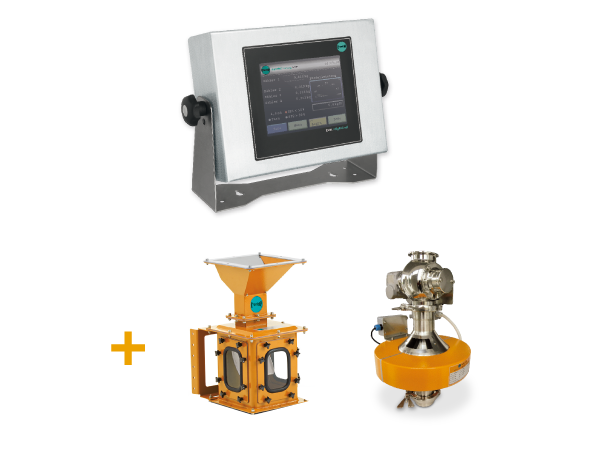
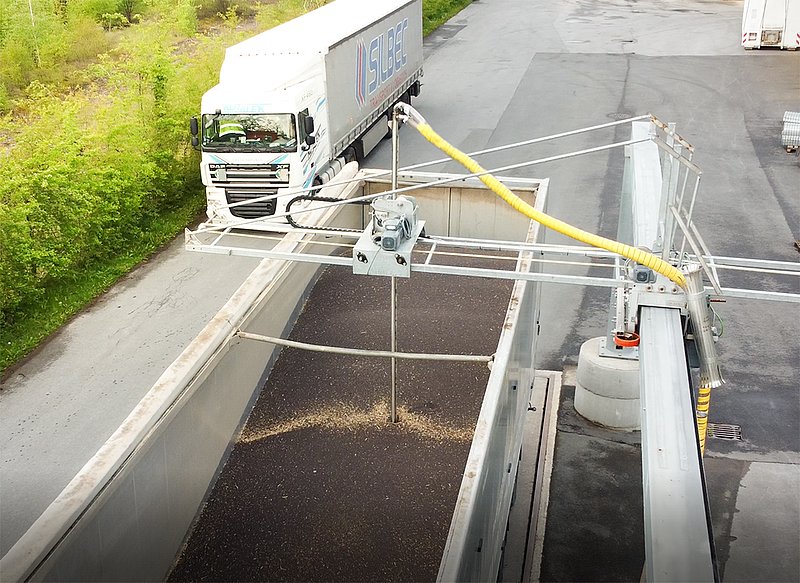
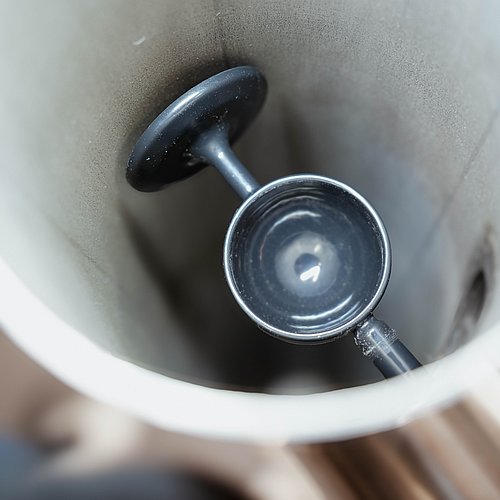
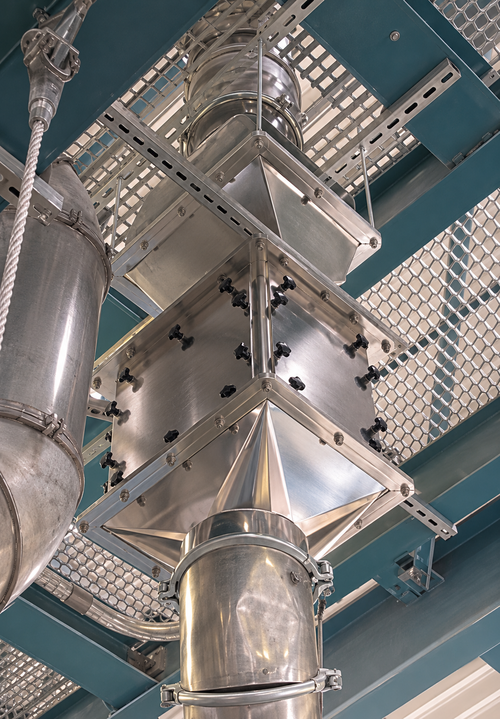
At intake and in free fall, the cup sampler SAMglide takes samples across the full cross-section, from edge to center, while being gentle on the product – a crucial point for seed. For truck-side sampling at goods receipt, the sampling system SAMtruck is available.
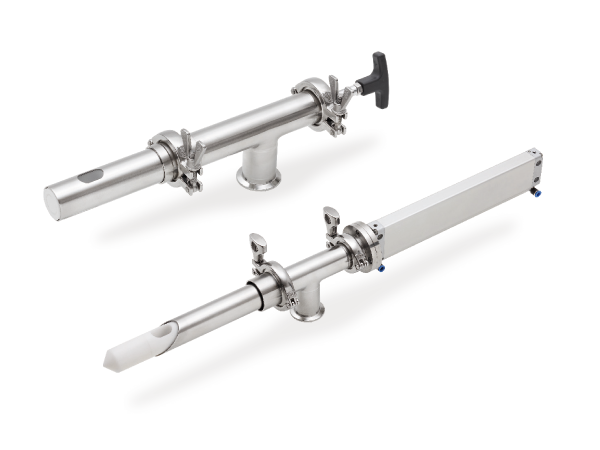
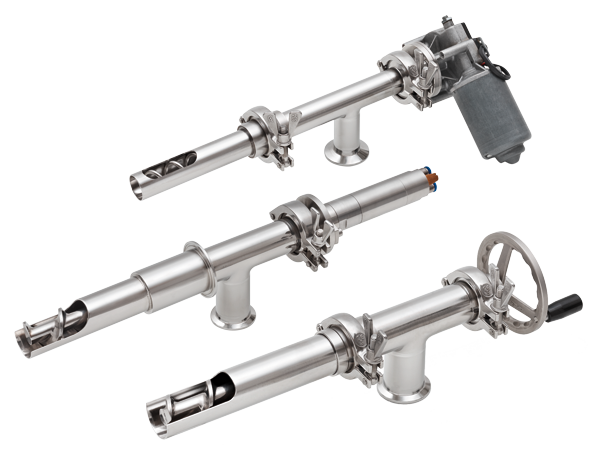
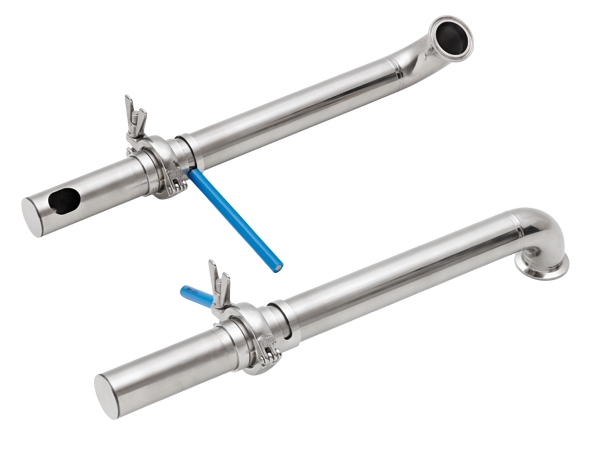
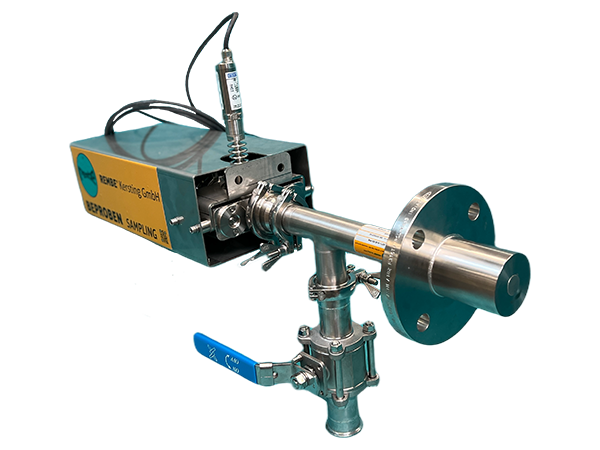
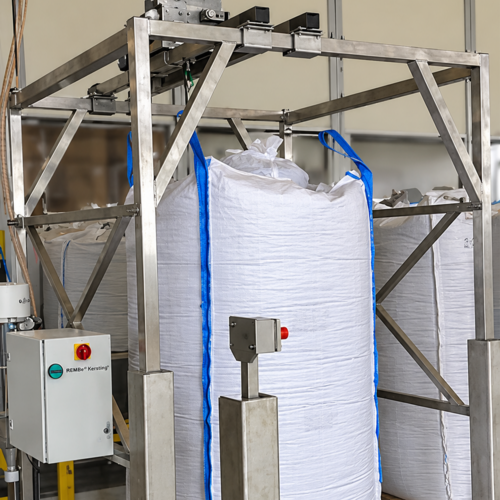
In the process itself, the choice depends on the sampling point: the screw sampler SAMscrew takes continuous samples from the conveying stream, even with poorly flowing goods; the sampling nozzle SAMtasty integrates into existing horizontal or vertical pipelines; for moist and pasty media, the moist product sampler SAMwet is designed. At big bag filling, SAMbag takes samples from the material flow.
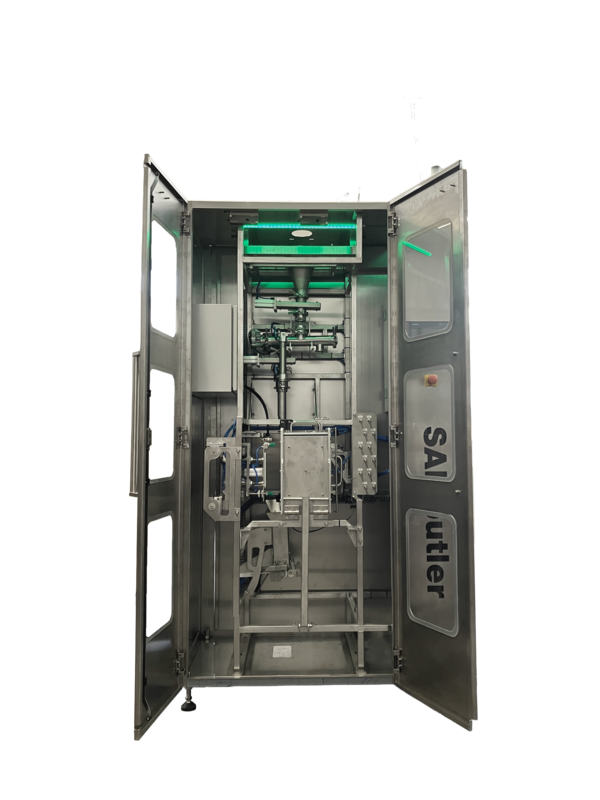
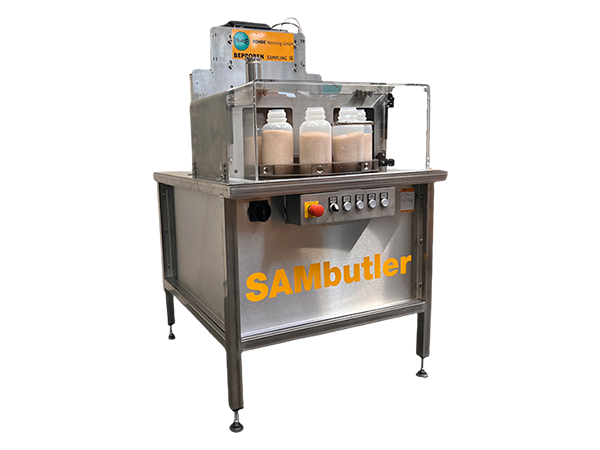
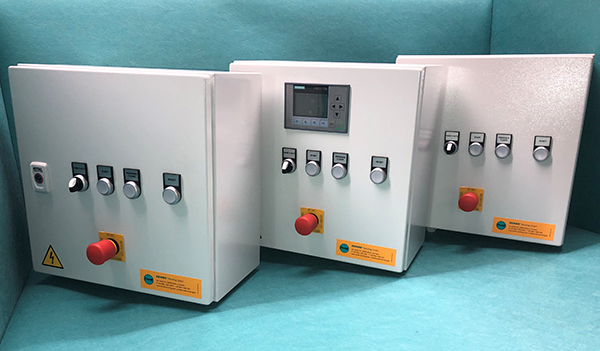
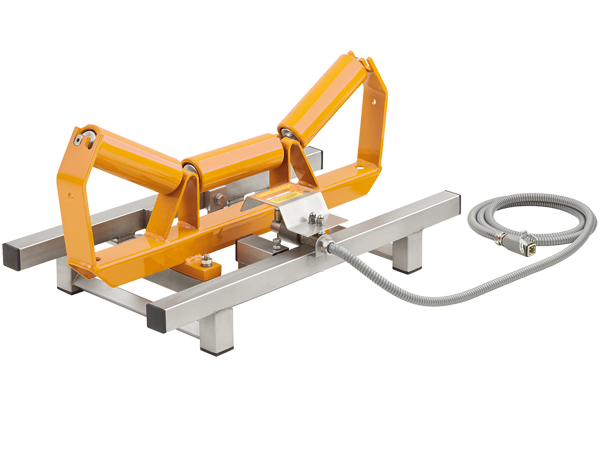
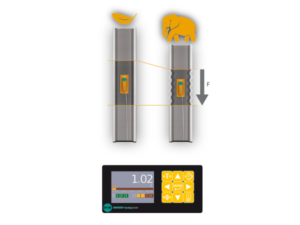
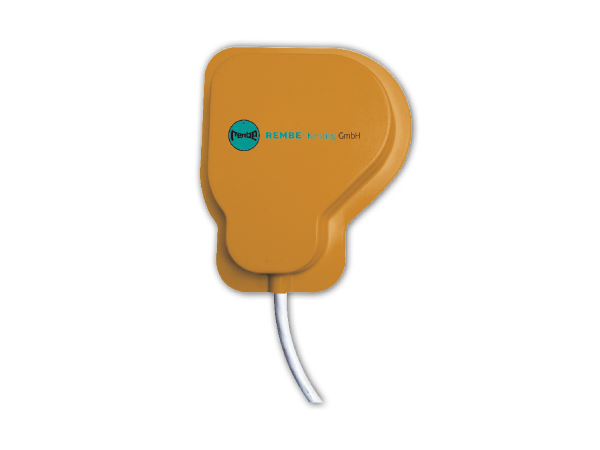
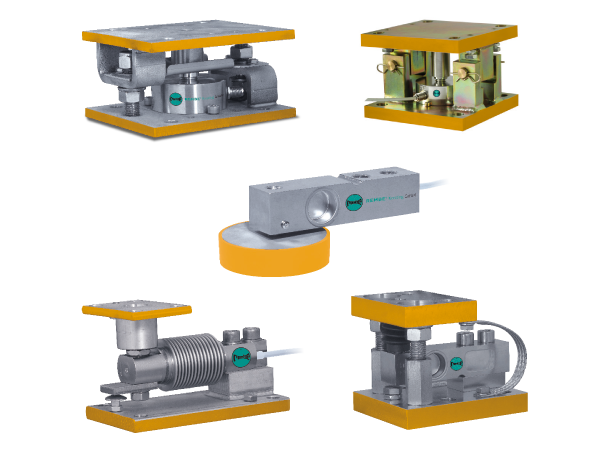
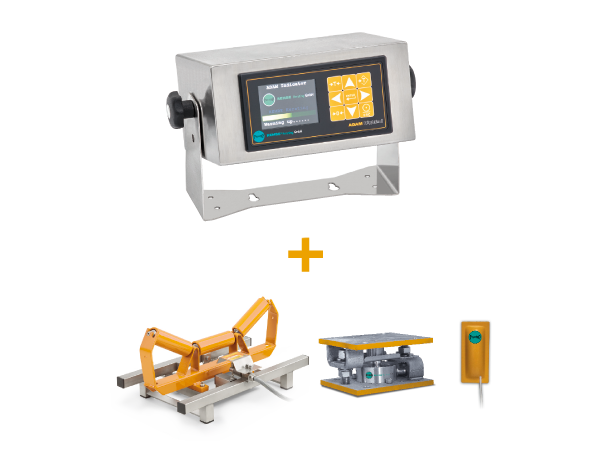
Documentation is handled by the sampling system SAMbutler: sample handling, labeling, and assignment are automated, so that retention samples and analysis values remain assigned to a delivery. The quantity side is covered by the mass flow measurement C-LEVER® in the conveying path and the gravimetric mass measurement MicroCell at the silo – the latter can be retrofitted to existing silos without conversion or emptying.
This creates a continuous chain for agricultural operations: representative sampling at the appropriate point, documented assignment, and reliable quantity data.