Sampling in battery production and recycling
Whether in cell production or in the recycling of used cells – in the battery industry, the composition of fine active materials determines performance, safety, and yield. Cathode and anode powders, lithium compounds, and the black mass obtained from recycling are all fine, reactive, and in some cases hazardous to health. Sampling here must achieve three things: be representative of the batch, not contaminate the process, and protect personnel from dust and toxic components. Errors not only distort quality assessment but also the accounting of recovery. This overview shows what is important in sampling for battery production and recycling – from regulatory and safety requirements to procedures and selection criteria.
Regulatory Framework
With Regulation (EU) 2023/1542, the European legal framework for batteries has been newly structured. Among other things, it introduces a digital battery passport, requirements for recycled content, and due diligence obligations in the supply chain. For plant operations, this means that information on material composition and recovery must be verifiable, and specifically batch-related. Sampling is therefore no longer just quality control, but the data source for verification—which places demands on the reproducibility and documentation of the sampling process.
Selection criteria
Whether sampling is required in battery production and recycling is determined by these criteria:
-
Closed-System Sampling
The process must not be opened during sampling, as active materials and black mass are fine powders and may pose health hazards.
-
Batch Representativeness
Only a sample taken across the entire cross-section of the material flow can accurately reflect its composition and recovery potential.
-
Prevention of Cross-Contamination
Carryover between batches distorts the material balance and compromises the purity of the recovered materials.
-
Elimination of Ignition Sources
Reactive powders and metal dusts require equipment designs that prevent ignition sources. The plant operator is responsible for hazardous area classification.
-
Batch-Specific Documentation
Every sample must be clearly traceable to a specific batch and recorded without manual intermediate steps.
-
Quantitative Data for Mass Balancing
Determining recovery rates requires continuous mass flow or inventory data, not just individual samples.
Solution approaches
For active materials, black mass, and recyclates, the procedures range from manual sampling in open processes to partially enclosed samplers and fully enclosed containment systems. Manual sampling is only justifiable for fine, reactive, and partly toxic materials with considerable protective measures and yields results that are difficult to reproduce. Closed systems address both personnel protection and reproducibility in one step. In parallel, accounting requires its own data trail: continuous mass flow measurement in the conveying path or gravimetric inventory recording at the silo. Which approach is suitable depends on the material form, zoning, and documentation requirements.
The approach of REMBE® Kersting
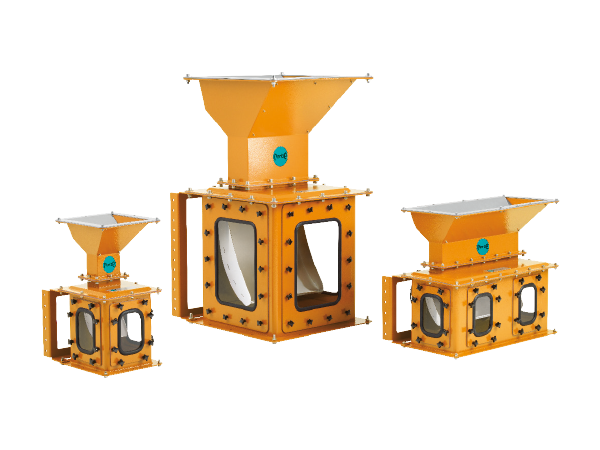
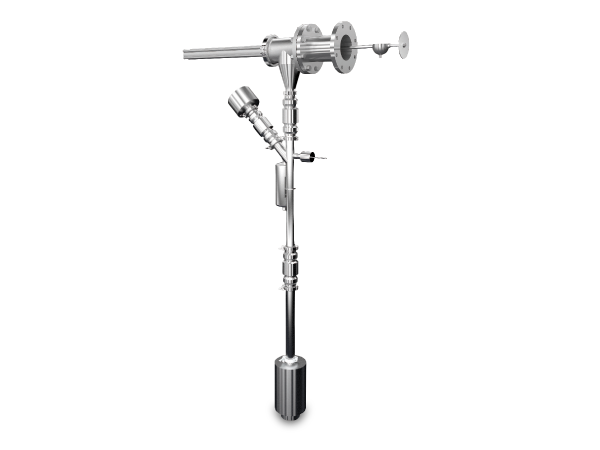
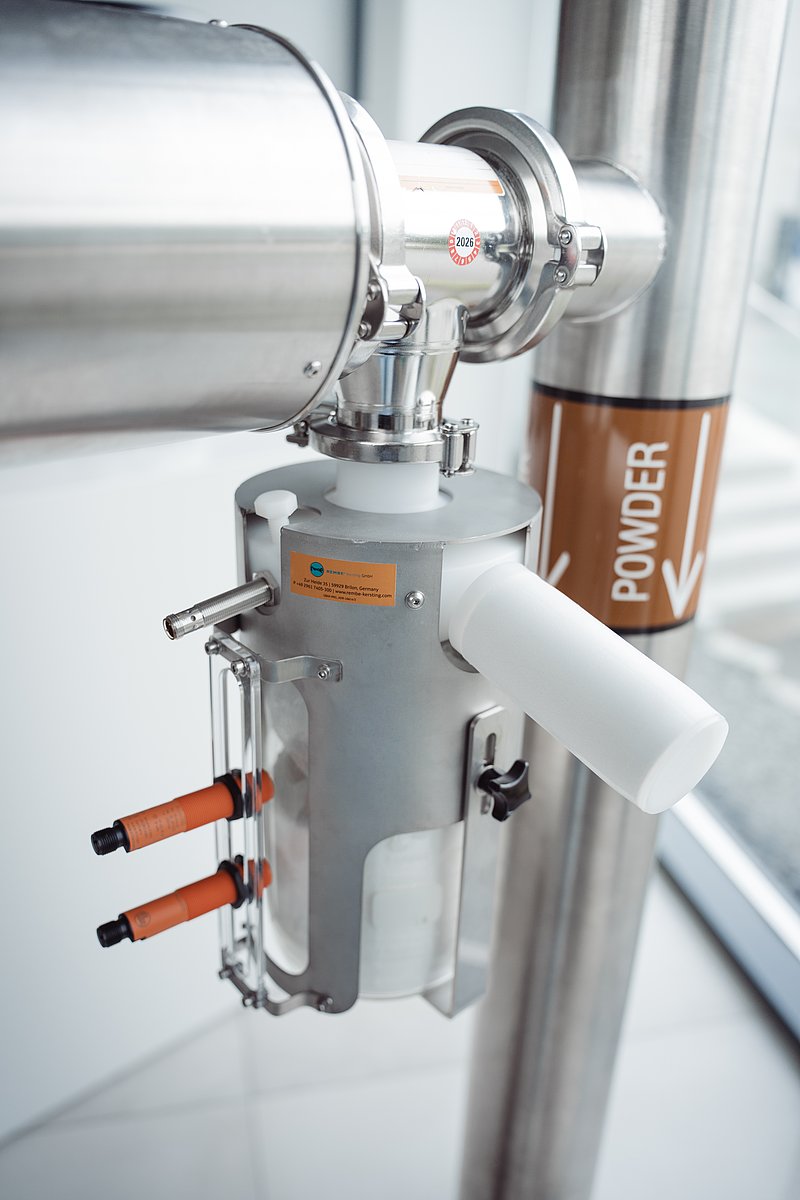
For the extraction of critical battery materials, REMBE® Kersting relies on a closed principle with the containment sampler SAMsafe: The sample leaves the process without any product escaping into the environment and is packed dust-tight in the endless liner. Operators do not come into contact with the material—a point that is just as important for NMC powders and black mass as it is for lithium compounds.
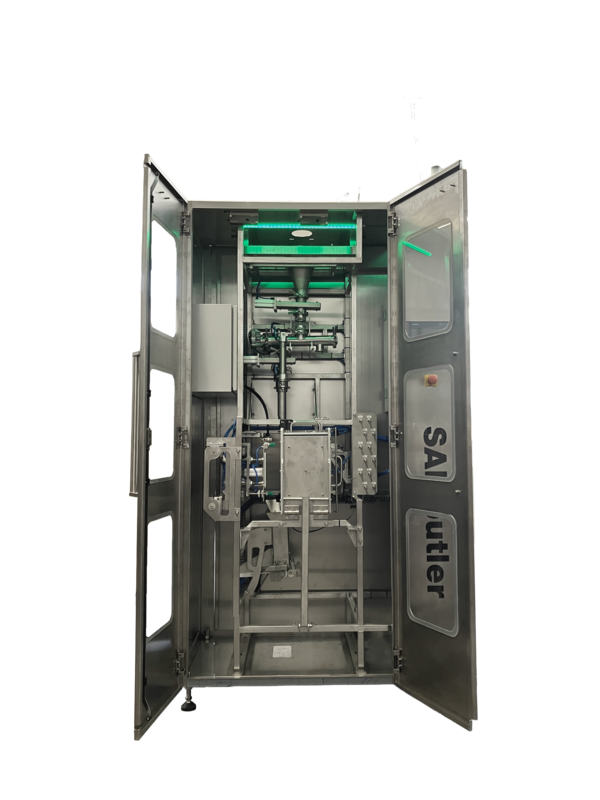
The documentation side is handled by the sampling system SAMbutler: Sampling, labeling, and data transfer to the plant control system are automated, so that each sample remains assigned to a batch without manual intermediate steps. The audit-proof storage itself takes place in the connected quality system—this is deliberately located there and not in the sampler.
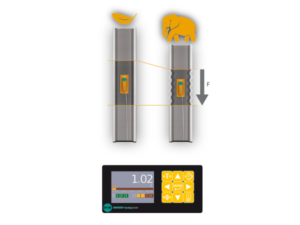
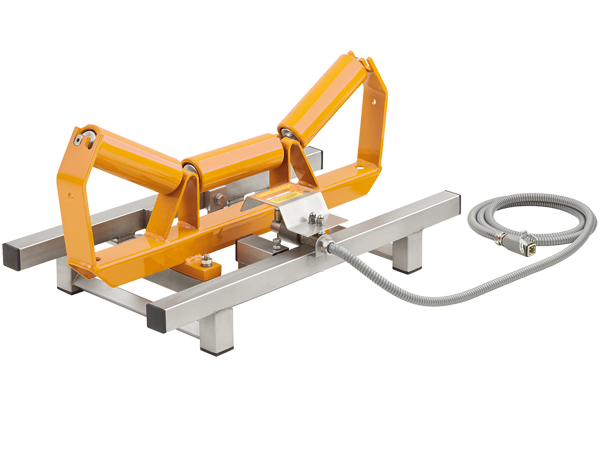
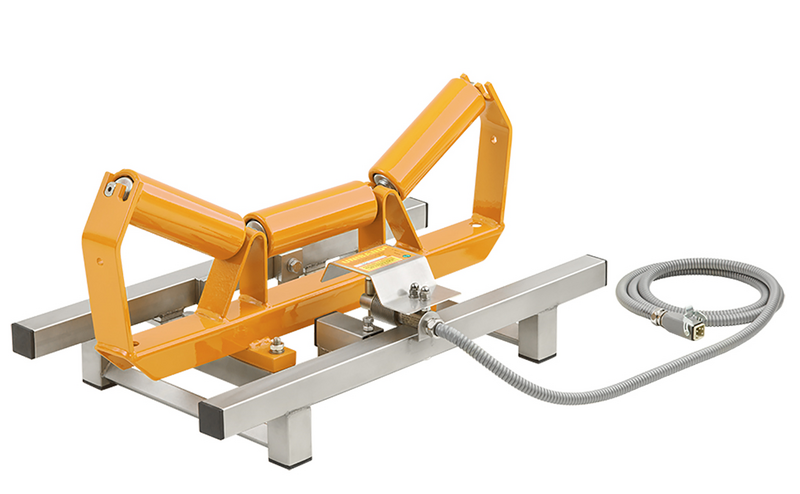
For the quantity side of the balance, the mass flow measurement C-LEVER® records the mass flow in the conveying path, while on conveyor belts the belt scale UNIBAND® takes over continuous weighing. At the silo, the gravimetric mass measurement MicroCell provides inventory values that are not distorted by bridging or chimney formation.
This creates a continuous data trail for battery production and recycling: secure, representative sample—documented assignment—reliable quantity balance.