Sampling in ATEX zones and explosive areas
In dust-intensive processes with combustible bulk materials – from metal powders to fine chemicals – sampling is a safety-critical step: Every opening of a system, every moving component can become an ignition source in an ATEX zone. The decisive factor is the zoning classification of the area, as it determines which equipment category and which constructive ignition protection measures are permitted. If this is disregarded, plant approval, personnel, and operating permits are at risk. Safe sampling in hazardous areas must therefore constructively exclude ignition sources while also delivering representative samples. This overview shows which requirements ATEX places on sampling systems – from zone logic and constructive principles to selection criteria.
Selection criteria
In areas at risk of explosion, conformity determines operational capability and approval:
-
ATEX Zone-Compliant Design
The equipment category and type of explosion protection must be suitable for the designated ATEX zone.
-
Prevention of Ignition Sources by Design
Friction, hot surfaces and electrostatic charging must be prevented through appropriate equipment design.
-
Representative Sampling Despite Enclosure
Explosion protection measures must not compromise sample quality or representativeness.
-
Cleanability
When handling combustible dusts, systems that prevent material accumulation and are easy to clean are essential.
-
Documented Compliance
The required documentation must be available and appropriate for the intended application.
-
Chemical and Material Resistance
Materials and components must be resistant to the metal dusts or chemicals being processed.
Solution approaches
For sampling in Ex areas, ATEX-compliant systems, often capable of containment, are used. The decisive factor is not the device alone, but the interaction of zone classification, device category, and type of ignition protection: The operator defines the zone classification for their facility, which determines the permissible design of the sampler. Closed sampling procedures have the advantage in dust explosion hazard areas that no product escapes into the environment during sampling. The specific selection depends on zone classification, bulk material, and cleaning requirements.
The approach of REMBE® Kersting
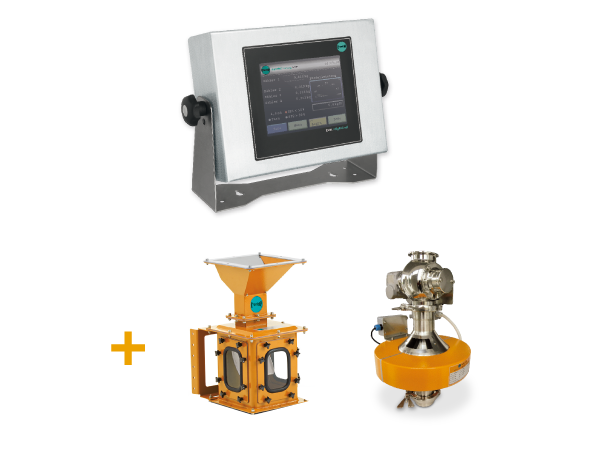
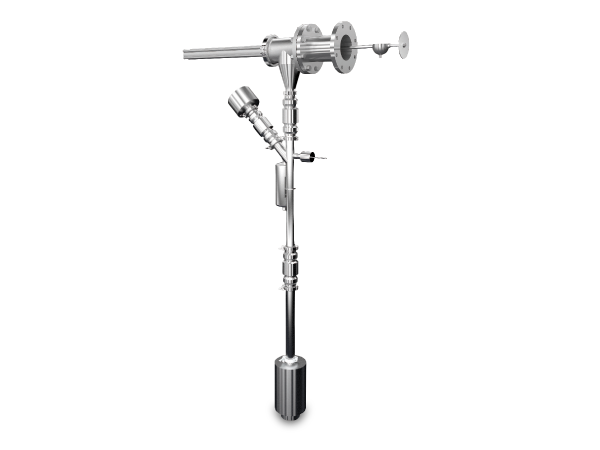
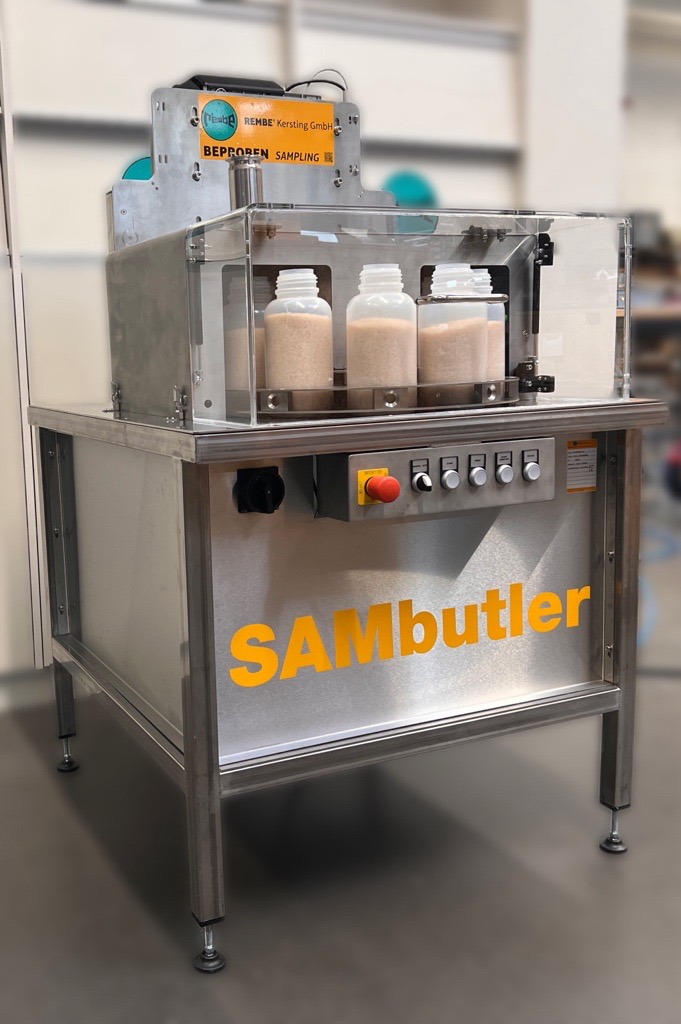
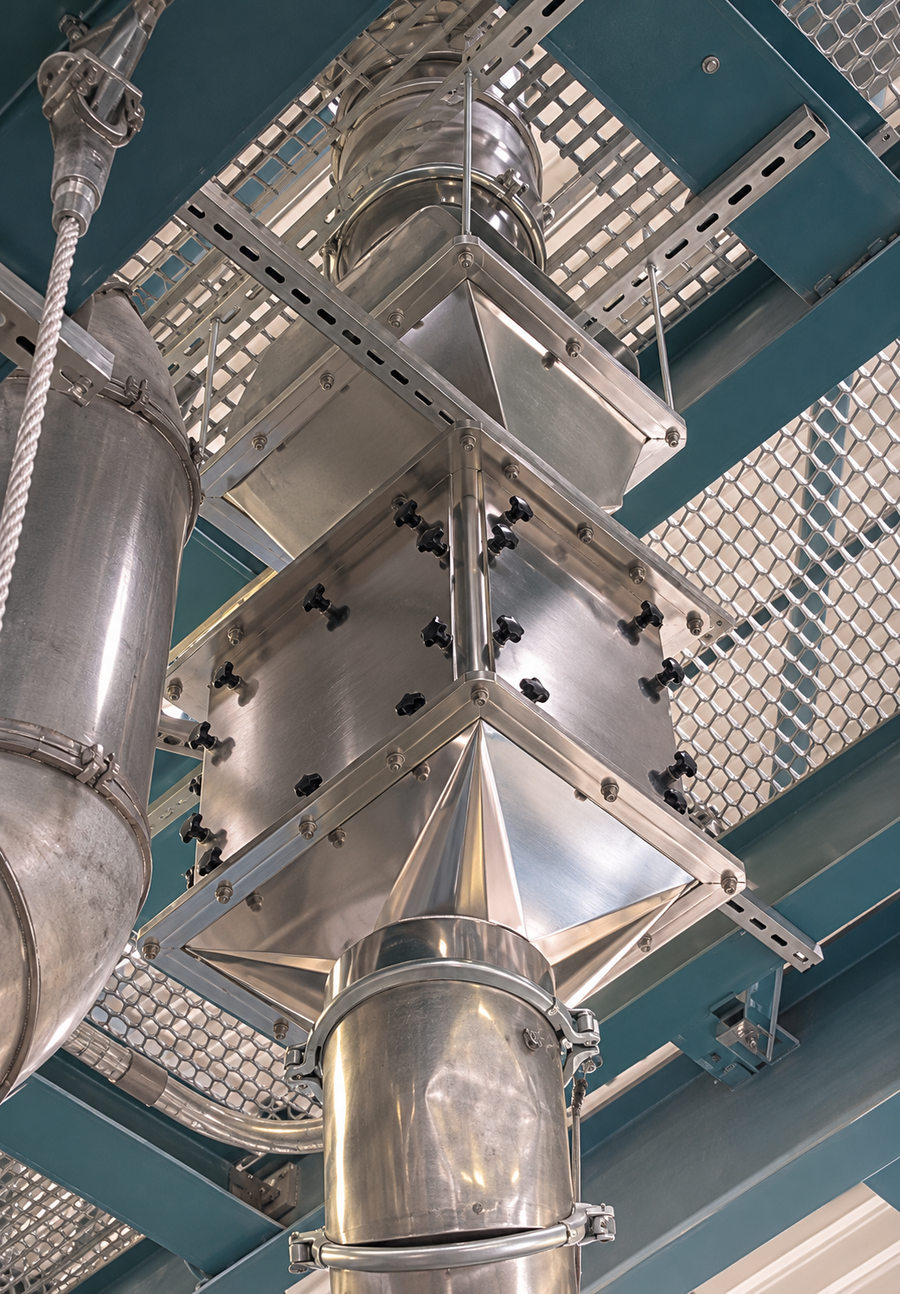
For sampling in explosion-hazard areas, REMBE® Kersting relies on a closed sampling principle with the containment sampler SAMsafe, which combines representative sampling with personnel and explosion protection. Because the product remains in the system during sampling, there is no open transfer—a point that matters for combustible dusts as well as for health-hazardous products.
For automated, dust-intensive truck-side sampling, the truck sampling system SAMtruck is also available. Which version is permissible in each individual case is determined by the operator’s zone classification; REMBE® Kersting adapts the configuration accordingly and documents compliance for the respective application.
This creates a zone-compliant, easy-to-clean solution for compliant sampling in Ex areas—representative and without open product transfer.