
Measurement technology for the loading and unloading of bulk goods on ships
When loading and unloading ships, the speed of bulk material handling determines profitability: long lay times in port are expensive, and every unloaded ton must also be recorded precisely—for billing, inventory management, and accounting. Traditional weighing using a belt scale does not always provide the necessary accuracy, especially with high conveying rates, changing materials, or pressurized systems. Methods are needed that record the mass flow directly and with low wear during ongoing conveying. This overview shows what is important in the metrological monitoring of ship unloading—from the requirements and measurement principles to the selection criteria.
Selection criteria
In the metrological monitoring of ship unloading, throughput, accuracy, and robustness are equally important:
-
Continuous Mass Flow Measurement Instead of Snapshots
Continuous measurement of material flow directly within the conveying system is required, rather than weighing at individual points in time.
-
Accuracy at High Throughput
The measurement method must deliver reproducible results even at high conveying capacities and under fluctuating material loads.
-
Wear Resistance
Abrasive bulk materials and continuous operation require robust, low-maintenance measurement technology.
-
Resistance to Vibration and Shock
In port and transport environments, measurements must remain unaffected by vibrations and mechanical shocks.
-
Traceability
Every handled batch must be documented and clearly assigned to a specific delivery.
-
System Integration
Integration with weighing, ERP and inventory management systems for automated quantity tracking and batch documentation.
Solution approaches
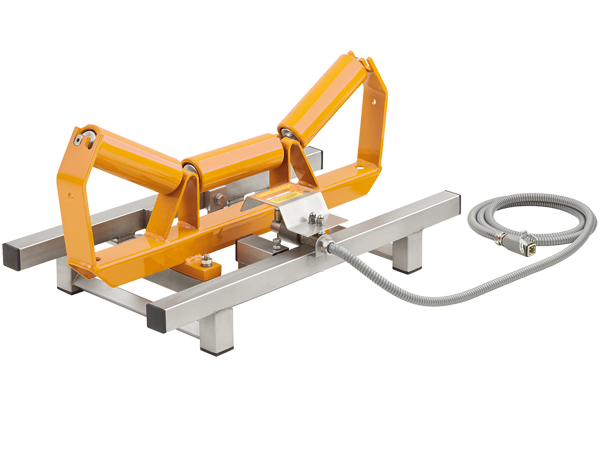
For bulk material handling, the approaches range from the classic belt scale to throughput scales and inline mass flow measurement. Belt scales are established, but their accuracy depends on belt guidance, material feed, and calibration. Throughput scales operate with moving weighing mechanics, which wear out during continuous abrasive operation. Methods that measure directly in the conveying path do not require moving weighing mechanics and are therefore advantageous in rough port operations. Which approach is suitable depends on the conveying technology, material abrasiveness, and the required accuracy.
The approach of REMBE® Kersting
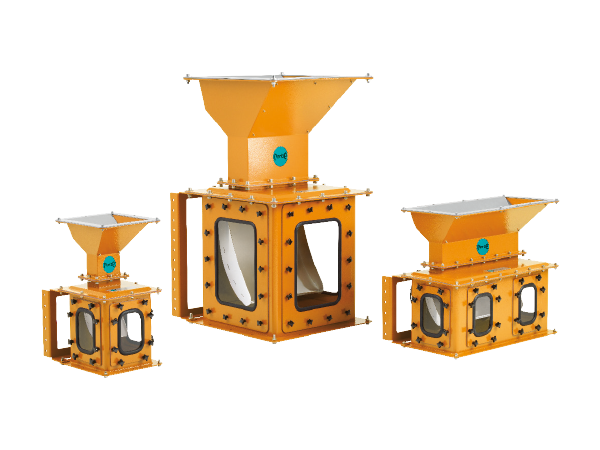
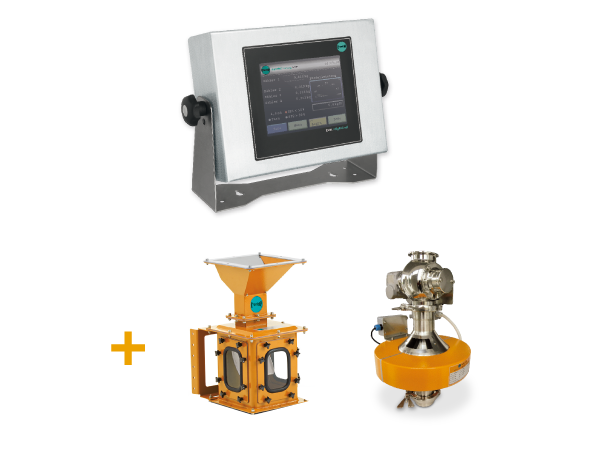
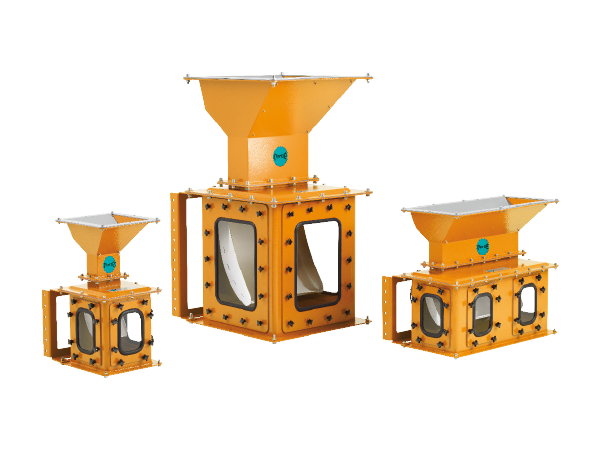
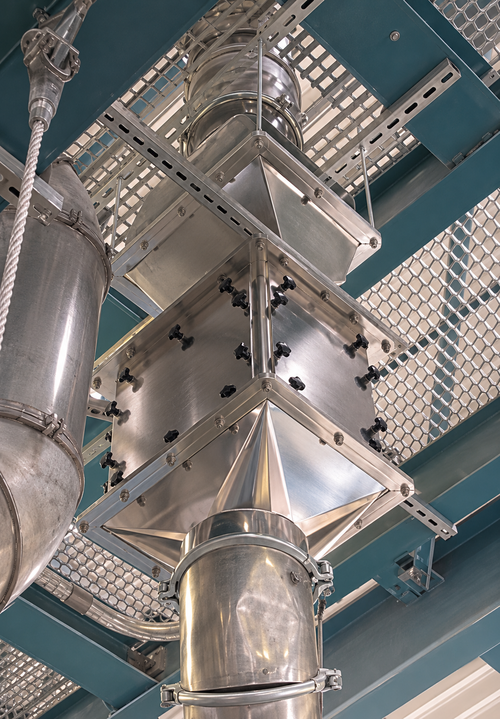
For ship unloading, REMBE® Kersting relies on C-LEVER® with an inline mass flow measurement that records the mass flow directly in the conveying path – low-wear and without moving weighing mechanics. Because measurement is continuous rather than at intervals, deviations in the bulk material flow become immediately visible and can be documented for each handling operation.
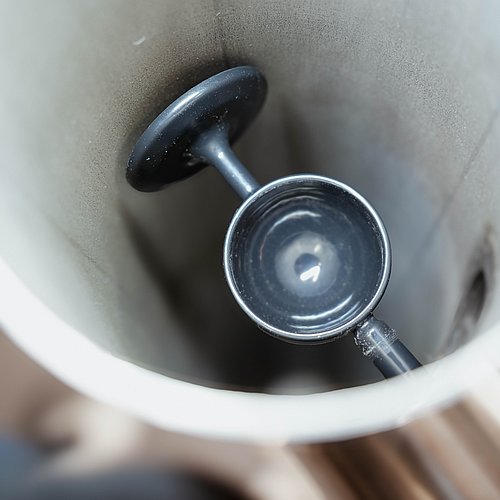
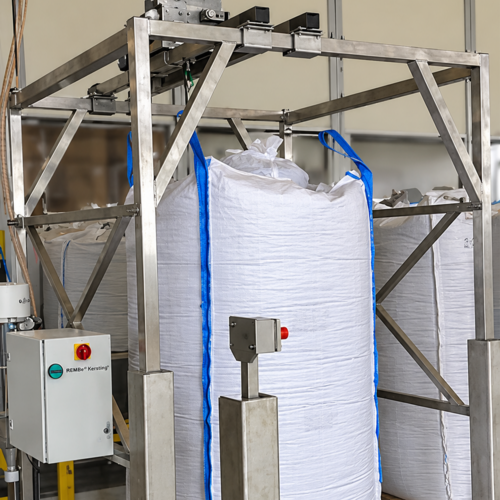
For accompanying retention samples and batch documentation, the sampling system SAMbutler can be integrated, so that quantity data and sample remain assigned to the same handling operation. If the bulk material is subsequently loaded onto trucks at the port, the truck sampling system SAMtruck can be considered for sampling at the loading point.
Which combination is suitable depends on the application: For ship unloading itself, mass flow measurement in the conveying path is the focus, while for subsequent loading, sampling at the container or vehicle is key. Installation situation and design depend on the conveying technology and bulk material.
This creates a documentable, near real-time quantity recording for bulk material handling in the port – the basis for short lay times and reliable billing.